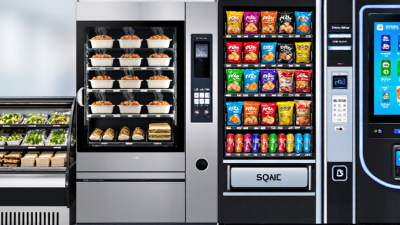
Top 10 Drink Vending Machine Types for Global Buyers

Choosing among the top 10 drink vending machine types is not just a matter of comparing screens, prices, or product capacity. The right choice depends on what people actually buy, where they buy it, and how often an operator can restock. A chilled machine beside a busy station needs different features from a compact unit in a quiet office. Small details matter: bottle clearance, cup size, payment options, cleaning access, and how clearly prices appear under bright lights.

Each machine type solves a different operating problem. Some handle bottled drinks; others prepare hot beverages or dispense drinks into cups. There are trade-offs. A larger selection may attract more buyers, but it can also mean more replenishment work and slower-moving stock. Fancy features do not guarantee strong sales. Site conditions can change the result.

A reliable buying guide should distinguish tested information from sales claims. No verified named industry expert quotation was provided for this topic, so this introduction does not invent one. A useful buying principle is simple: choose for the location, not just the catalog. The sections ahead compare machine formats, typical applications, key features, and practical considerations for global buyers. They also point out questions worth asking suppliers, including service coverage, spare-part availability, energy use, and payment compatibility. These checks are easy to overlook. That can be costly. A drink vending machine should fit the daily routine of its site, not merely look impressive on a product page.
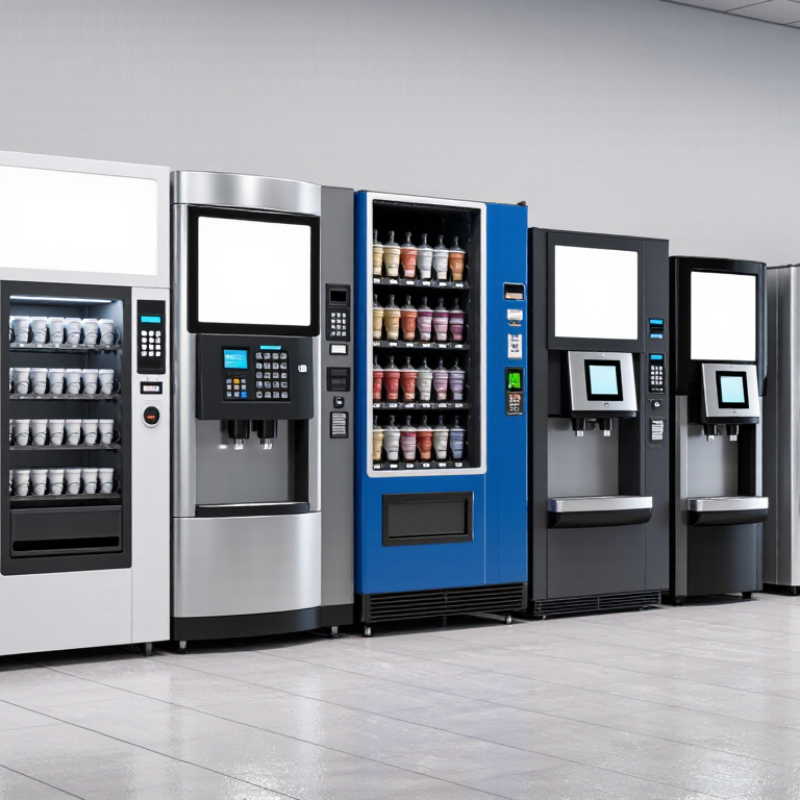
Top 10 Drink Vending Machine Types for Global Buyers

How Drink Vending Machines Are Classified by Product and Function

Drink vending machines are best classified by both the drink sold and the way it is stored or served.

Product groups include bottled water, canned soft drinks, juice, sports drinks, energy drinks, dairy beverages, hot coffee, tea, bean-to-cup coffee, and refillable water. These categories are not interchangeable: a narrow spiral may suit cans, while larger bottles need wider lanes and stable dispensing.

Function adds another layer. Chilled machines protect ready-to-drink products; ambient units handle shelf-stable packs; hot-drink models brew and dispense into cups. Some machines combine drink types, accept cashless payment, or report stock levels remotely.

NAMA’s 2024 State of the Industry report estimated U.S. convenience-services revenue at $26.6 billion in 2023. That figure covers the wider industry, not beverage vending alone, so it should not be read as a drinks-market total.

In practice, climate, cup size, and refill access can matter as much as the advertised capacity. I have seen capacity figures mislead buyers.

Tips: Match the machine to package dimensions and serving temperature. Test a sample can, bottle, or cup before confirming the layout.

Top 10 Drink Vending Machine Types for Global Buyers

Drink vending machines serve very different routines, from quick hydration to a fresh cup during a night shift. The ten common types are bottled-water, canned-drink, hot-coffee, bean-to-cup coffee, tea, juice, fresh-milk, smoothie, sparkling-water, and mixed-beverage machines. Grand View Research’s 2024 Vending Machine Market report estimated the global market at USD 21.4 billion in 2023, reflecting broad demand across product categories. The figure covers vending machines overall, not drinks alone.

For global buyers, match the machine to the setting. Bottled-water and canned-drink units suit busy corridors; coffee and tea machines work better where people pause. Fresh-milk and smoothie units need tighter temperature control and more frequent cleaning. Small detail, big impact. Check cup size, payment options, refill access, and local voltage before ordering. A model designed for a cool office may struggle in a humid transit hall.

These ten types are a useful shortlist, not a universal ranking. Grand View Research’s market estimate does not show which drink format will sell best at a particular site. Track local demand and restocking time before committing. Even a polished machine can disappoint when its most popular drink runs out by lunchtime.

How Different Machines Store and Dispense Beverages

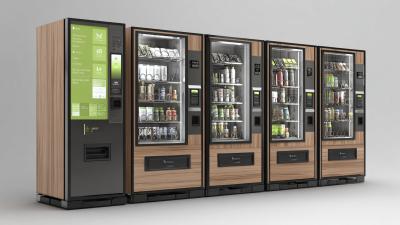
Drink vending machines differ most in how they protect beverages before a sale. Refrigerated machines hold cans or bottles on chilled shelves, then release one through a motorized coil or a gated track. The layout matters. A bottle that shifts on a steep shelf can jam the delivery path, especially when the machine is nearly empty.

Ambient machines store sealed drinks without active cooling, making them simpler to place and maintain. They suit locations where room-temperature beverages are acceptable. Cup-based machines work differently: cups sit in a vertical stack, while water and drink ingredients are portioned into each cup after payment. Hot-drink models add boilers, mixing chambers, and narrow dispensing nozzles. These parts need regular cleaning because residue can collect around the outlet. Small details count.

Some machines use bulk containers or ingredient cartridges to prepare drinks on demand. This can reduce the space needed for individual bottles, but it adds steps for refilling and checking levels. Operators should compare capacity, temperature control, product size, and cleaning access before choosing a design. A clear delivery window also helps buyers confirm that a cup or bottle has dropped correctly. One detail is easy to overlook: complicated mechanisms may offer flexibility, yet they can take longer to troubleshoot. That trade-off deserves a closer look.

Key Features to Compare Across Drink Vending Machine Types

Choosing among drink vending machine types starts with the products and the place they serve. Can-and-bottle machines usually offer broad selection and quick dispensing, but need reliable refrigeration and space for varied packaging. Hot-drink machines suit offices and transit areas where cups, water, and ingredient storage are practical. Freshly prepared drink systems may attract customers, yet require closer attention to cleaning schedules and ingredient handling.

Small details matter.

Compare capacity against actual sales, not optimistic forecasts. A busy site may need fast retrieval and frequent restocking; a quieter location can benefit from a compact unit. Check temperature control, insulation, and energy use, especially where ambient heat is high. Test payment options and screen readability under bright light.

Remote inventory alerts can help, but only if staff respond to them. That adds labor. Ask how quickly common parts can be serviced and whether cleaning steps are clear enough for daily operators.

For mixed-use locations, consider noise, accessibility, spill control, and the space needed to open doors during replenishment. A feature list rarely reveals the whole story. A short on-site trial may expose awkward loading or slow dispensing, and those details deserve another look.

How to Choose a Machine for Your Market and Location

Choosing a drink vending machine starts with the people who will use it, not the catalog. In warm coastal areas, chilled water and juice may sell faster than hot drinks. Offices may favor coffee and tea for short breaks. Can, bottle, cup, and fresh-dispense machines each need different stock routines. Check package sizes against the machine’s dispensing channels. A bottle that catches during delivery wastes sales and staff time. Small details matter. Estimate daily demand, then allow a modest buffer instead of filling every slot.

Location shapes the practical choice. A station lobby may need fast service, clear sightlines, and a durable cabinet. A clinic corridor may call for quieter operation and easy cleaning access. Confirm power, ventilation, floor level, door clearance, and refill access before delivery. Check which payment methods customers use and whether the site has reliable connectivity. Ask how quickly local technicians can reach the machine and whether common parts are available. Test one through a busy week. Sales estimates can miss the mark: weather, opening hours, and nearby shops all affect demand. A larger machine may look efficient on paper but block a queue in a narrow hallway.

Top 10 Drink Vending Machine Types: Typical Selection Capacity

This chart compares representative drink-selection capacities for common machine types. Values are approximate planning estimates, not a universal specification; actual capacity depends on the cabinet, package size, and configuration. Match the machine to local drink preferences, available space, power, and climate.