Why Choose a Candy Dispenser Machine for Your Business?

Why Choose a Candy Dispenser Machine for Your Business?

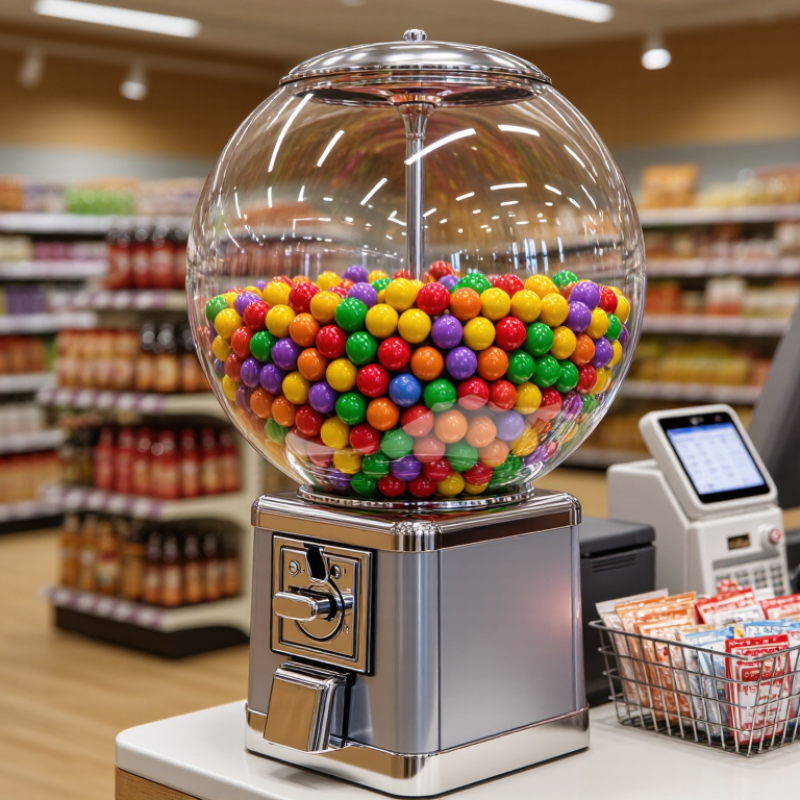
A candy dispenser machine can turn a quiet corner into a small, measurable sales channel. It needs limited floor space, simple restocking, and no staffed counter. A bright acrylic globe beside a checkout can attract attention before customers leave. That physical visibility matters in impulse retail.

The 2024 National Confectioners Association State of Treating report found that 92% of Americans enjoy candy. The report also describes candy as an occasional treat, not a daily necessity. This distinction supports responsible merchandising and reasonable portion sizes. Grand View Research reports continued growth in the global confectionery market, driven partly by convenience, premium products, and changing consumer preferences. These trends do not guarantee success. Location still matters more than the machine’s appearance.

John Downs, president and CEO of the National Confectioners Association, has said, “Chocolate and candy are an affordable treat that bring people joy.” His observation explains the machine’s emotional appeal. However, practical decisions require more than optimism. Owners should compare product margins, refill frequency, cleaning time, payment options, and expected foot traffic. A poorly placed unit may become expensive decoration. That happened to some small retailers I have observed.

Start with a limited product range. Track which colors, flavors, and package sizes move fastest. Keep prices visible. Use sealed, properly labeled products. Review sales weekly, then adjust carefully. A candy dispenser machine works best when it supports a clear retail plan. Sometimes, the smallest machine teaches the biggest lesson.
Why Choose a Candy Dispenser Machine for Your Business?

What Is a Candy Dispenser Machine?

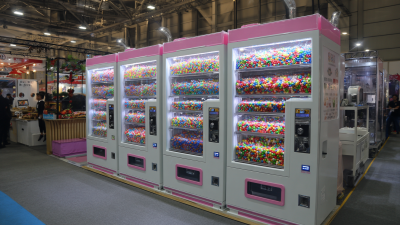
A candy dispenser machine is a self-service unit that releases measured portions of candy after payment or selection. It usually includes a transparent hopper, dispensing mechanism, collection cup, and secure cabinet. Customers can see the colorful product before choosing. That visual moment matters in cafés, family entertainment venues, and small retail spaces. The machine may use a wheel, spiral, or controlled chute to move candy safely. Its basic job is simple: store, portion, and present.

From an operator’s view, the machine combines merchandising with controlled serving. Staff refill the hopper, check the payment system, and clean contact surfaces regularly. Different candies require different settings. Small pieces may flow quickly, while sticky sweets can block the mechanism. Test it daily. A short trial can reveal uneven portions, weak seals, or confusing payment steps. Food-safe materials and clear cleaning instructions support hygiene, but local requirements still need checking.

A suitable unit should fit the available floor area and expected customer traffic. Its capacity affects refill frequency, while its viewing window can encourage impulse purchases. Noise also matters in quiet shops. Simple controls reduce training time and customer frustration. Still, no dispenser removes every operational problem. Electricity may fail, coins may jam, and candy can expire if stock rotates poorly. These details deserve attention before installation, not after complaints begin.

Why Choose a Candy Dispenser Machine for Your Business?

A candy dispenser machine is a self-service unit that stores portioned candy and releases a measured quantity when customers turn a knob, press a button, or make a payment. The chart shows typical capacity ranges used for business planning by machine format.

Larger-capacity machines reduce refill frequency, while compact countertop units are easier to place in cafés, reception areas, shops, and entertainment venues. Actual capacity depends on candy size, hopper design, and portion settings.

How Candy Dispenser Machines Work

Why Choose a Candy Dispenser Machine for Your Business?

How Candy Dispenser Machines Work

A candy dispenser machine turns a simple purchase into a visible, self-service experience. Customers see colorful sweets through a clear container and choose their preferred portion. The process feels immediate. In many models, candy rests inside a sealed hopper above a rotating wheel or measured chamber. When a customer turns the handle, the mechanism releases a controlled amount through a small chute.

Some modern machines use electronic payment systems instead. A sensor confirms payment, activates a motor, and moves the dispensing wheel. Gravity then guides the candy into the collection cup or tray. The portion depends on the wheel size, candy shape, and internal calibration. Small pieces usually move more consistently than sticky or oversized sweets.

The machine still needs practical attention. Staff should refill the hopper, remove damaged pieces, and clean food-contact surfaces regularly. Moisture can make candy clump and block the outlet. A loose handle may also cause uneven portions. This is where real operation becomes less perfect. Operators should test the machine each day and keep payment instructions clear. Placement matters too; a busy entrance may attract attention, while a hidden corner may produce disappointing sales. Food safety, accessibility, and local vending requirements should guide the setup.

Why Choose a Candy Dispenser Machine for Your Business? - How Candy Dispenser Machines Work

Business Consideration Typical Data or Operating Range How the Machine Works Business Benefit
Dispensing Method Gravity-fed or auger-based dispensing Gravity-fed models release candy through a controlled opening, while auger systems use a rotating spiral mechanism to move measured portions forward. The mechanism supports consistent portion control and helps reduce unnecessary product waste.
Portion Size Approximately 10–40 g per dispensing cycle A lever, knob, button, or electronic control activates the release mechanism for a preset or adjustable amount. Predictable portions make pricing, stock planning, and cost calculations easier.
Product Capacity Common countertop units: approximately 1–5 kg Candy is stored in a transparent hopper or sealed container above the dispensing chamber. A visible product supply attracts attention, while larger capacity can reduce refill frequency during busy periods.
Suitable Candy Types Hard candy, gumballs, jelly beans, coated sweets, and similar dry products The dispensing opening and mechanism should be matched to the candy’s size, shape, and flow characteristics. Using compatible products helps prevent bridging, clogging, and inconsistent portions.
Typical Dispensing Speed About 5–20 seconds per customer transaction Customers activate the mechanical lever or electronic control, and the selected portion drops into a cup, bag, or container. Fast self-service can shorten queues and allow staff to focus on other customer-service tasks.
Power Requirement Manual models: no electricity; electronic models: commonly low-voltage power Manual units rely on a lever or turning mechanism. Electronic units may use sensors, motors, displays, or payment controls. Manual machines can be placed in more locations, while electronic models can support automation and transaction tracking.
Payment Options Free dispensing, token operation, coins, or electronic payment integration A payment module verifies the selected payment before unlocking the dispensing cycle. Flexible payment choices allow the machine to fit retail stores, entertainment venues, cafés, events, and self-service areas.
Labor Requirement Mainly periodic refilling, cleaning, inspection, and cash collection when applicable Once loaded and configured, the machine performs the dispensing step without continuous staff involvement. Self-service operation can reduce routine serving time and support sales outside peak staffing hours.
Product Visibility Transparent hopper or display container in many designs Customers can see the candy before making a selection, while the operator can check remaining inventory at a glance. Visible products can encourage impulse purchases and make replenishment planning more convenient.
Hygiene Considerations Closed storage and contact-minimized dispensing are preferred Candy remains inside the hopper, and a chute or outlet directs the product into a customer container. A covered design helps limit direct handling. Food-contact components should be cleaned according to local food-safety requirements.
Maintenance Frequency Daily visual checks; cleaning and inspection based on usage and local regulations Operators inspect the hopper, outlet, moving parts, payment system, and product condition. Routine maintenance helps preserve dispensing accuracy, appearance, and operating reliability.
Space Requirement Countertop units often occupy less than 0.25 m²; floor-standing units require more area The machine stores candy vertically and dispenses it from a compact front-facing mechanism. Small units can use checkout counters, entrance areas, waiting zones, and other underused spaces.
Inventory Control Portion settings and visible stock levels support basic monitoring Each activation releases a controlled amount, and the operator can compare sales or usage with the remaining candy. Better stock visibility can assist with reorder timing and reduce overfilling or expired inventory.
Best-Fit Business Use Retail stores, cinemas, arcades, cafés, family venues, events, and waiting areas The machine provides a compact self-service point wherever customers can safely select and receive packaged or loose candy. It can create an additional sales opportunity while adding an interactive element to the customer experience.

Key Benefits for Retail and Hospitality Businesses

Why Choose a Candy Dispenser Machine for Your Business?

A candy dispenser machine can add a simple sales point to retail and hospitality spaces. It needs little floor space, yet it attracts attention near entrances, checkout counters, and waiting areas. Colorful containers create a visible display, while measured portions help control product costs. Customers can make quick purchases without staff assistance. This can reduce queues during busy periods.

In cafés, hotels, and family restaurants, the machine can give children a small activity while adults finish their orders. In retail stores, it may encourage impulse purchases near the payment area. Operators should choose a sturdy machine with smooth controls and easy-to-clean surfaces. Food handling still matters. Staff should inspect the dispenser daily, remove damaged products, and record refills. A machine is not a magic sales tool. Poor placement or untidy presentation can make it look forgotten.

Tips: Keep the dispenser at a comfortable height. Use clear price labels. Refill small quantities more often to maintain freshness. Track sales by location for several weeks. Some businesses overestimate demand at first, then waste stock. A modest trial is safer. Review customer feedback, cleaning time, and actual profit before expanding. Accessibility also deserves attention, especially in busy hospitality settings.

Factors to Consider Before Choosing a Candy Dispenser

Why Choose a Candy Dispenser Machine for Your Business?

Factors to Consider Before Choosing a Candy Dispenser

A candy dispenser can turn unused counter space into a bright, interactive sales point. Customers often notice the clear container and moving parts before they notice nearby products. In my experience, visibility matters more than fancy decoration. Choose a location near checkout areas, but leave enough space for queues and wheelchair access.

Check the machine’s capacity, refill process, and cleaning requirements. A small shop may prefer a compact unit that holds several popular sweets. A busy family venue may need a larger container and a stronger dispensing mechanism. Food-grade materials are essential. Smooth surfaces also make daily cleaning easier. Ask how often parts need replacement. That answer can reveal long-term costs.

Payment options deserve careful attention. Coins may suit a traditional setting, while contactless payment can reduce waiting time. However, electronic systems require power, secure connections, and regular testing. I once focused too much on appearance and overlooked refill access. That mistake created unnecessary work. Do not repeat it.

Consider safety, product freshness, and local operating requirements before installation. The dispenser should release controlled portions without sharp edges or loose components. Clear labels can show prices, allergens, and suitable product information. Keep a simple maintenance log. Record cleaning, refills, and payment checks. Small details build customer trust. A machine may look simple, but reliable service requires consistent attention.

How to Maximize Sales with a Candy Dispenser Machine

A candy dispenser machine can turn waiting time into a small purchase. In my experience, placement often matters more than decoration. Put it near checkout, where customers naturally pause. Keep the machine at a comfortable height for children and adults. Avoid door drafts, narrow walkways, and poorly lit corners. A clear price label reduces hesitation. Small details matter.

Offer two or three popular candy choices instead of an overwhelming selection. Test different portion sizes and record daily sales. This simple record shows which products deserve more space. Rotate slow-selling items before they become stale. Clean the viewing area and handles regularly. Customers notice dust quickly. They may not complain, but they may not buy again. Follow local food-handling requirements and use sealed, suitable products.

Pricing needs practical testing. A slightly lower price may increase volume, but not always profit. I once assumed the busiest location would perform best. It did not. Customers rushed past it without stopping. A quieter waiting area produced more sales. Consider a small bundle offer when customers use multiple dispensers. Check the machine each morning for jams, empty compartments, and payment problems. One failed purchase can damage trust. Review results weekly, then adjust placement, candy variety, and pricing carefully. Mistakes are useful, if you measure them.