What Are the Top Types of Food Vending Machines?
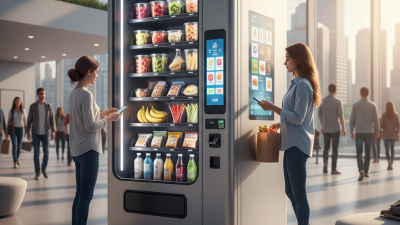
Food vending machines now offer more than packaged snacks. Operators can stock chilled salads, fresh sandwiches, hot meals, or familiar snack-and-drink combinations. The right format depends on foot traffic, restocking access, temperature control, and how quickly products sell. A refrigerator beside a hospital shift desk serves a different need from a combo machine in an office lobby.
NAMA’s 2023 State of the Industry report estimated U.S. convenience-services revenue at $26.6 billion for 2023, including vending, micro markets, office coffee, and related services. This figure provides useful context, but it is not a food-vending-only sales total. Grand View Research valued the global vending-machine market at about $21.4 billion in 2023 and forecast a 10.7% compound annual growth rate from 2024 through 2030. These figures indicate market activity, not guaranteed demand for every machine or location. Demand is uneven.
This guide compares leading food vending machines, including refrigerated fresh-food units, hot-meal systems, combination machines, and smart models with cashless payment. It examines what each type dispenses, where it may fit, and the practical trade-offs operators should weigh. Fresh meals can attract lunchtime buyers, yet spoilage and frequent restocking may reduce margins. That matters. Industry reports group markets in broad categories, so local trials and sales records remain important when choosing equipment.
How Food Vending Machines Are Classified
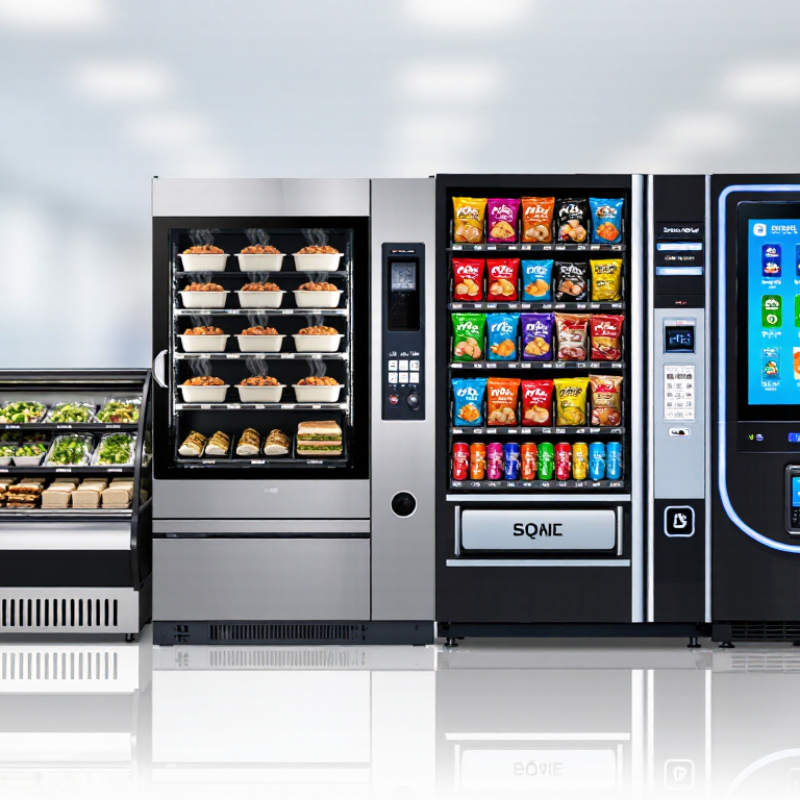
Food vending machines are best classified by what they sell and how they keep it safe. Ambient machines hold sealed snacks at room temperature. Chilled units offer salads, sandwiches, and dairy products. Frozen machines dispense meals or desserts, while fresh-food units may prepare items on site. The categories overlap. A packaged sandwich machine, for example, is both chilled and ready-to-eat.
Temperature affects equipment choice. The FDA Food Code 2022 sets cold holding at 41°F or below and hot holding at 135°F or above for time/temperature control foods. Operators need reliable temperature monitoring, clear restocking routines, and products suited to the machine’s storage conditions. A machine label alone proves little. NAMA’s 2023 State of the Industry report valued U.S. convenience services at $26.6 billion in 2022; that broader figure includes vending and other unattended retail formats, not food vending alone.
Machines can also be grouped by how customers receive food: coil-drop units, elevator-delivery units that reduce impact, and refrigerated lockers for pickup. Some locations use self-service kiosks alongside open shelves; these are often called micro markets, rather than vending machines. The distinction matters when comparing sales or equipment needs. It is not always neat. A site’s product mix, foot traffic, and refill schedule may matter more than its machine label.
Snack and Confectionery Vending Machines
Snack and confectionery vending machines offer quick access to packaged treats in offices, schools, transit areas, and recreation centers. They commonly carry crisps, biscuits, chocolate bars, gum, and small savory snacks. Spiral coils move each item toward the pickup tray, so product size matters. A tall packet may jam where a flat bar drops cleanly. Test the actual packaging before filling every slot.
Good selection depends on the people using the machine. A workplace with short breaks may need familiar, easy-to-eat options, while a waiting area might suit a wider mix of sweet and salty snacks. Clear labels and visible prices help customers choose quickly. Keep allergen information legible, and avoid placing similar-looking products in confusing rows. Small details count.
Reliable stocking takes more than topping up empty spaces. Check expiry dates, rotate older products forward, and inspect the delivery flap for crumbs or sticky residue. Heat can soften chocolate, so avoid placing machines in direct sunlight or beside warm equipment. That sounds obvious, but busy locations make it easy to miss. Sales records can reveal popular items, though they do not explain why someone skipped a product. Ask users occasionally; the answer may challenge your assumptions.
Beverage and Frozen-Treat Vending Machines
Beverage vending machines suit places where people need a quick, familiar option. They can hold chilled water, juice, canned coffee, or sports drinks. The right selection depends on foot traffic and the time of day. A machine near a sports facility may need more water, while one in an office could favor coffee and sparkling drinks. Check cooling performance, stock levels, and expiry dates during routine visits. A blocked vent can make a machine work harder and cool unevenly. A full-looking display can still hide an empty popular row.
Frozen-treat vending machines need steady, reliable freezing. Ice cream bars and fruit pops can lose their texture after repeated temperature swings. Door seals, airflow, and defrost cycles deserve regular checks. Placement matters, too. A freezer beside a sunny window or warm kitchen exhaust may use more energy and struggle to hold a consistent temperature. Not every location needs a huge menu. More flavors may look appealing, but slow-moving items take up valuable space. I would not assume one set of products suits every site; a short trial can reveal what customers actually choose. A little waste can happen while that balance is being found.
Fresh-Meal and Refrigerated Food Vending Machines
Fresh-meal and refrigerated food vending machines serve people who need more than a quick snack. They can hold salads, sandwiches, yogurt, fruit cups, and ready-to-heat meals in a chilled compartment. A clear glass front lets customers inspect the food before buying. Small details matter: readable labels, intact seals, and meals arranged so older stock is easy to reach.
Reliable cooling is central to these machines. Operators should check temperature records, clean shelves, and remove products before their use-by dates. Stock rotation needs attention. A sensor can flag a temperature change, but it cannot notice a crushed container or a leaking dressing cup. Regular in-person checks still count. Cold air alone is not enough.
The best setup depends on the location and its daily traffic. A workplace may need filling lunches, while a transit area may favor compact meals that are easy to carry. Packaging should stay secure during dispensing, and ingredient and allergen information should be easy to read. Convenience has limits. Fresh food can spoil, and a machine may appear well stocked while offering little variety. Operators should review sales and customer feedback, then adjust the menu rather than assume their first choices are right.
| Machine Type | Typical Food Selection | Storage and Temperature | Common Use | Key Consideration |
|---|---|---|---|---|
| Fresh-Meal Vending Machine | Packaged entrées, prepared bowls, pasta dishes, and other ready-to-eat meals | Refrigerated; perishable foods that require temperature control should be kept at 41°F (5°C) or below under the U.S. FDA Food Code benchmark | Workplaces, campuses, hospitals, and locations where people need a substantial meal outside standard cafeteria hours | Requires reliable refrigeration, clear date labeling, and regular rotation of short-shelf-life products |
| Salad and Fresh-Bowl Vending Machine | Packaged salads, grain bowls, cut vegetables, fruit, and separately packed dressings | Refrigerated; maintain applicable cold-holding temperatures for the foods being sold | Office buildings, fitness facilities, schools, and transit locations with demand for convenient lighter meals | Packaging should protect ingredients and help prevent leakage, crushing, or cross-contact |
| Sandwich and Wrap Vending Machine | Chilled sandwiches, wraps, rolls, and packaged meal combinations | Refrigerated; sandwiches containing perishable ingredients need temperature control | Break rooms, transport hubs, healthcare facilities, and other high-traffic sites | Use visible sell-by or use-by information and restock according to the product’s shelf life |
| Refrigerated Snack and Dairy Vending Machine | Yogurt, cheese, chilled desserts, dips, and other packaged refrigerated snacks | Refrigerated when required by the product label and applicable food-safety rules | Schools, offices, and shared spaces seeking snacks that need chilled storage | Keep products within their labeled storage conditions and check refrigeration during service |
| Fresh-Fruit and Produce Vending Machine | Whole fruit, cut fruit, vegetable snack packs, and other produce items | Storage needs vary by item and preparation; cut produce may require refrigeration | Schools, workplaces, recreation centers, and locations promoting convenient produce options | Choose products and packaging suited to the machine’s temperature, handling, and turnover rate |
| Frozen-Food Vending Machine | Frozen meals, frozen snacks, and products intended to be heated after purchase | Frozen storage; follow the product label and applicable food-safety requirements | Locations with suitable freezer equipment and access to a microwave or other heating appliance | Clearly explain how to store and heat each item; this is a frozen-food option rather than a chilled-meal machine |
Temperature note: The FDA Food Code uses 41°F (5°C) or below as a cold-holding benchmark for time/temperature control for safety foods. Requirements can vary by jurisdiction and product, so operators should follow local rules and product-label instructions.
Specialty Vending Machines for Pizza, Bakery, and Produce
Specialty food vending machines work best when their equipment matches the product’s needs. Pizza machines, for example, need reliable refrigeration before baking and consistent heat during preparation. A crisp base matters, but so does keeping toppings evenly cooked. Clear ingredient and allergen information helps customers choose confidently. Cleaning routines deserve equal attention; ovens and food-contact surfaces need regular checks. Convenience is only useful when quality holds up.
Bakery machines benefit from sealed packaging that protects soft pastries from drying out or being crushed. Transparent compartments let customers inspect items before buying. Stock rotation is essential, since a fresh-looking display can still hide older products behind newer ones. Produce machines face a different challenge: delicate items bruise easily. Adjustable trays, gentle dispensing, and sensible portion sizes can reduce waste. Keep apples, tomatoes, or leafy greens at suitable temperatures, and check them often. Small details count. Still, no machine can compensate for poor sourcing or rushed restocking. Operators should test how products look and taste after a full day in the actual machine, not just during setup. That step is easy to skip. It should not be.
Typical Storage Temperatures for Specialty Food Vending
Specialty machines use different storage conditions: frozen pizza is typically kept at −18°C or below, shelf-stable packaged bakery goods can be stored at room temperature, and fresh produce is commonly refrigerated. Actual requirements vary by product and applicable food-safety guidance.
Related Posts
-
Why Food Vending Machines Are the Future of Convenient Snacking Choices
-
Exploring the Future of Water Vending Machines at the 138th Canton Fair 2025 in China
-
What is a Snack Vending Machine and How Does It Work?
-
Innovative Candy Dispenser Machines Set to Transform the Market at 138th Canton Fair 2025
-
Maximizing ROI with Exceptional After-Sales Support for the Best Sandwich Vending Machines
-
Ultimate Guide to Choosing the Best Ice Vending Machine for Your Business