What Is a Water Vending Machine and How Does It Work?

A water vending machine brings treated drinking water within easy reach. Customers select a volume, pay, and fill a clean container beneath a dispensing nozzle. The process can look simple. Behind the panel, however, water may pass through several treatment stages before it reaches the tap.

Dr. Joseph Cotruvo, a drinking-water quality expert, has emphasized a principle that matters here: treatment should be matched to the source water. That is not a one-size-fits-all recipe. A machine supplied by municipal water may need different treatment from one using another approved source. Filters, disinfection equipment, and routine quality checks all play a role, depending on the system. The details matter.

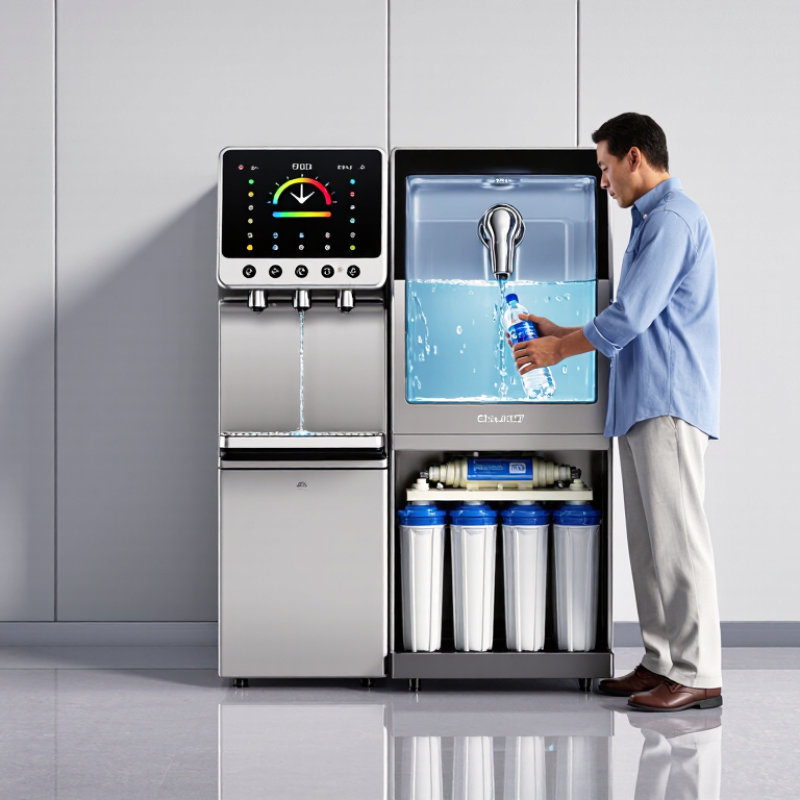
To understand how a water vending machine works, it helps to follow the water’s path. It enters the unit, passes through its configured treatment components, and waits in a protected storage tank or flows directly to the dispenser. A customer presses a button, places a bottle under the nozzle, and watches the meter track the selected amount. A steady stream. A quiet pump. A few drops on the drip tray.

Those visible details do not prove the water is safe. Maintenance records, filter replacement, sanitation, and appropriate testing matter too. A well-designed machine can still disappoint if upkeep slips. That is worth remembering. This guide explains the main components, typical operating steps, and practical checks that help readers assess a machine with care.
What Is a Water Vending Machine and How Does It Work?

What a Water Vending Machine Is

A water vending machine is a self-service unit that dispenses drinking water into a customer’s container, often after payment. It may stand indoors or outdoors, with a tap, a small display, and a space for a bottle or jug. Some machines offer chilled water; others provide water at room temperature. The term describes the service, not one specific treatment method. That distinction matters. The source water and purification steps can differ from one machine to another.

Inside, water may pass through filters or other treatment stages before reaching the dispensing nozzle. Sensors and controls can measure volume, manage payment, and stop the flow when the selected amount is delivered. Operators generally need to maintain the equipment and replace consumable parts according to its design. A clean-looking machine is not proof of water quality. Check its maintenance information and any available test results, especially if you use it regularly. The label can sound more reassuring than the details deserve. That is worth remembering.

The Main Components of a Water Vending Machine

A water vending machine is a compact treatment and dispensing system. Its inlet connects to a water supply, while a sediment filter catches grit that could clog finer stages. An activated-carbon filter can reduce chlorine taste and odor. Some machines add reverse osmosis or ultraviolet treatment, depending on source-water quality and design. More stages do not automatically mean safer water.

The storage tank holds treated water between customer visits. A pump moves it through tubing to the dispensing valve; sensors and a controller manage flow and may track filter life. The payment unit authorizes a selected volume, while a meter helps stop dispensing at the right amount. Small parts matter. Poorly maintained tubing or a neglected filter can undermine the whole system. NSF/ANSI standards cover materials and performance for some treatment components, but certification claims should be checked against the exact model and function.

WHO and UNICEF’s 2023 Joint Monitoring Programme report estimated that 2.2 billion people lacked safely managed drinking water in 2022. That figure describes a global access gap, not proof that vending machines solve it. In practice, operators need a maintenance log, periodic water testing, and a clear replacement schedule. Filter life varies with incoming water and daily use; a printed schedule alone can be misleading. A cold metal nozzle, a steady fill, and clean drainage are useful signs, but appearance cannot confirm water quality.

How Water Is Treated Inside the Machine

What Is a Water Vending Machine and How Does It Work?

How Water Is Treated Inside the Machine

A water vending machine dispenses treated water from a connected supply or storage tank. Inside, water usually passes through several treatment stages. The exact setup varies. A sediment filter can catch grit and rust, while activated carbon reduces chlorine taste and odor. Small details matter: a clogged filter may slow the flow or affect water quality.

Some machines also use reverse osmosis, which pushes water through a fine membrane to reduce dissolved substances. Ultraviolet light may then inactivate microorganisms, but it does not remove chemicals or particles. These steps are not interchangeable. NSF/ANSI standards identify different treatment claims: Standard 42 covers aesthetic effects, Standard 53 certain health effects, and Standard 58 reverse-osmosis systems. Certification should match the specific claim.

The WHO/UNICEF Joint Monitoring Programme reported that 2.2 billion people lacked safely managed drinking water in 2022. That figure reflects a global service gap, not a measure of vending-machine performance. Still, it shows why treatment and upkeep matter. Operators should replace filters on schedule, sanitize storage tanks, and check the machine’s maintenance records. A clean-looking nozzle is not proof. It is easy to overlook that.

How Customers Select, Pay for, and Dispense Water

A water vending machine lets customers buy a measured amount of water without speaking to an attendant. The screen or control panel usually shows available volumes and the price for each option. Customers choose a quantity, then place a clean, compatible bottle beneath the outlet. Read the prompts. Some machines ask users to select still or chilled water before payment; others offer only one type.

Payment steps vary by machine. A unit may accept coins, bank cards, or contactless payment, and the display should show the amount due before charging. After payment is approved, the customer presses a dispense button or confirms on-screen. Water flows into the container, often stopping automatically at the selected volume. Keep the bottle steady. If dispensing does not begin, check the screen for an instruction or error message rather than paying again.

A clear interface matters, especially when buttons are wet or sunlight makes the display hard to read. Customers can check the outlet and surrounding area for visible dirt, then use a container that fits securely. These checks cannot prove water quality, but they may help prevent spills and contact with the nozzle. Machines differ, and instructions can be easy to miss. Pause to verify the selected amount and price before starting the fill.

What Is a Water Vending Machine and How Does It Work? - How Customers Select, Pay for, and Dispense Water

Stage What the Customer Does What the Machine Does Useful Detail
1. Check the machine Reviews the on-screen instructions, available water options, and displayed price. Shows operating instructions, available selections, and any service or payment notices. Features and prices vary by location and machine. Customers should follow the instructions shown on the unit.
2. Prepare a container Brings a suitable, clean bottle or refillable container and places it under the dispensing nozzle. Provides a dispensing area designed to position a container beneath the outlet. Container size and shape should fit the dispensing area. Some machines may offer containers for purchase.
3. Select water or volume Selects an available water type or quantity, if those choices are offered. Displays the applicable options and calculates the amount due when pricing depends on volume. Some machines sell water by volume; others use preset selections. Available water types differ by machine.
4. Pay Pays using an accepted method, such as coins, a payment card, or a contactless option. Validates the payment and authorizes the selected transaction. Accepted payment methods vary. The screen or payment area indicates which methods are available.
5. Dispense water Starts dispensing as instructed and watches the container fill. Opens a controlled water outlet and dispenses the selected amount or water until the customer stops it. Dispensing controls differ: a machine may stop automatically at a selected quantity or require the customer to stop the flow.
6. Finish and check Stops the flow if needed, removes the filled container, and checks that the outlet area is clear. Ends the transaction and returns to its ready state when dispensing is complete. If a payment or dispensing problem occurs, customers should use the contact or support instructions displayed on the machine.
How the water is supplied Chooses from the water options presented by the machine. Receives water from a connected supply or stored source and may treat it before dispensing. Treatment can include steps such as filtration, ultraviolet disinfection, or reverse osmosis, depending on the system. The specific setup is not the same at every machine.

Common Types and Locations of Water Vending Machines

A water vending machine provides drinking water after a customer selects a quantity or refill option. Most units treat incoming water with filters before dispensing it through a nozzle. Some sell sealed bottles, while others refill reusable bottles or large household jugs. Details vary. Depending on the system, treatment may include carbon filtration, reverse osmosis, or ultraviolet light.

Common types include compact bottle-filling stations, larger jug-refill kiosks, and chilled dispensers in public buildings. Bottle stations are handy for commuters with a flask. Jug kiosks suit households filling several containers at once. These machines often stand outside supermarkets, near laundromats, in apartment complexes, or beside busy transit stops. In smaller communities, a local shop may host one where refill options are limited. Each location needs practical access, drainage, and regular servicing.

Before filling, look for clear instructions and a clean dispensing area. A tidy exterior is reassuring, but it cannot confirm water quality. Posted maintenance or testing information is more useful; ask the operator if details are missing. Small things count. Some machines have awkward controls, and a slow refill can test your patience. A convenient location matters less when the machine is out of service.

Common Water Vending Machine Types and Typical Refill Sizes

This chart shows representative container sizes, not machine capacity or sales volume. Bottle-refill machines commonly serve personal bottles; refill kiosks often serve household jugs, including 5-gallon (18.9-liter) containers. The actual sizes accepted vary by machine and location. Typically, customers choose a size or pay for water, then fill a container from the dispensing outlet.