What Are the Top 10 Hot Drinks Vending Machines in China?
China’s hot-drink market is changing quickly, and convenience now matters as much as taste. A hot drinks vending machine can serve coffee, tea, or cocoa in places where a staffed café may not fit. Yet a polished screen alone does not make a dependable machine.
World Coffee Portal’s Project Café China 2024 report estimated that China had 49,691 branded coffee shops, a 58% year-on-year increase. This figure describes café outlets, not vending-machine sales. It still shows the scale of consumer interest in accessible coffee. That distinction matters. Market enthusiasm should not be mistaken for proof that every vending model will succeed.
This guide compares ten hot drinks vending machines available in China through practical criteria: drink range, brewing method, payment options, footprint, maintenance needs, and supplier support. Picture a machine beside a station entrance, serving a hot cup during a short commute. Small details count, including refill access and how quickly staff can clear a jam. Some specifications also depend on configuration, so buyers should confirm them with manufacturers. A ranking can help narrow choices, but it cannot replace a site trial. The best machine is the one that works reliably where people actually use it. And yes, that sounds less exciting than a feature list. It is also more useful.
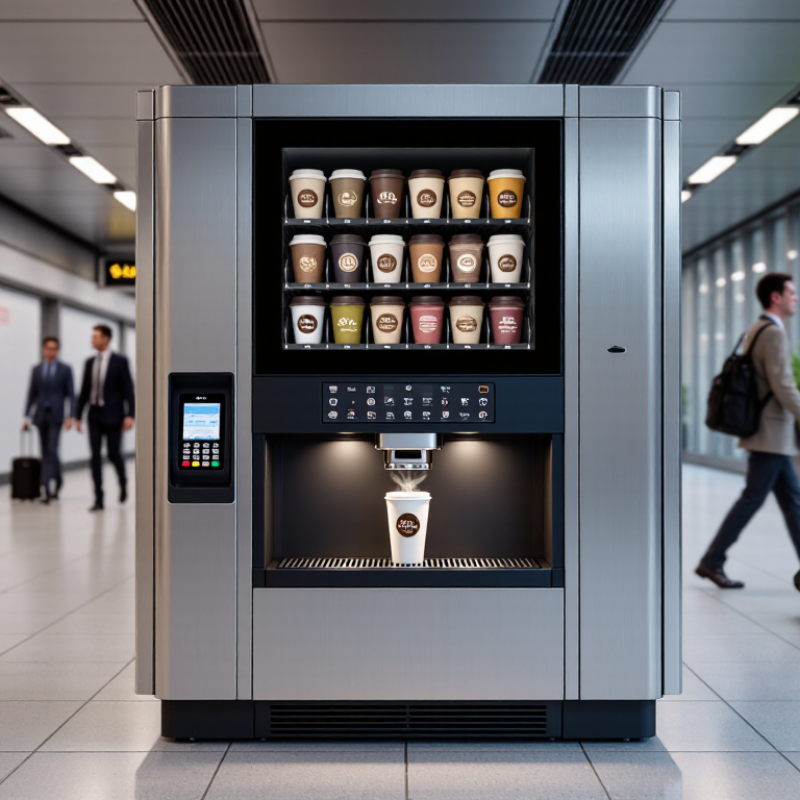
Understanding Hot Drinks Vending Machines in China
What Are the Top 10 Hot Drinks Vending Machines in China?
Understanding Hot Drinks Vending Machines in China
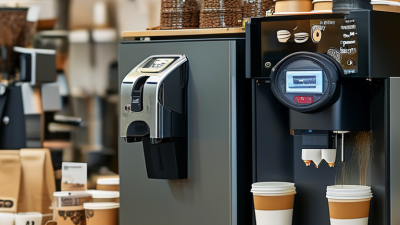
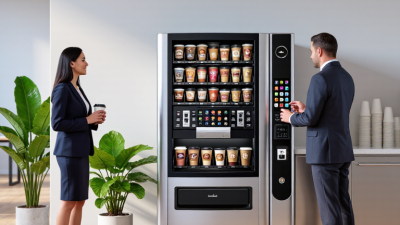
In China, hot-drink vending machines serve offices, campuses, transport hubs, and other busy locations. They typically heat water or prepare drinks from soluble ingredients, while some models use fresh milk or brewed coffee. Payment often supports mobile options, but available methods vary by site. Cup size, drink temperature, and preparation time matter to people choosing a machine during a short break.
A machine’s real performance depends on more than its menu. Operators need to refill ingredients, clean internal lines, remove used cups, and check heating and dispensing parts regularly. A popular location can still disappoint if queues grow or drinks taste inconsistent. That sounds obvious. Yet cleanliness and maintenance are easy to overlook when comparing machines. Operators should also consider reliable power, water access, and clear instructions before installation.
Tips: Check the displayed price, cup size, and ingredient information before buying. If possible, observe how quickly the machine serves customers during a busy period. Ask who handles cleaning and repairs, and how often. A quick look helps. Keep in mind that one visit cannot show long-term reliability, so compare feedback across different days and locations.
How the Top 10 Machines Were Selected
How the Top 10 Machines Were Selected
The shortlist was built around practical performance, not appearance or advertising claims. Each machine was assessed for drink consistency, menu flexibility, heating speed, ingredient capacity, cleaning access, payment options, and service requirements. These details matter in real settings: a machine beside a busy office lift needs quick recovery, while one in a small shop may need compact storage. Published specifications were compared where available, but not every supplier reports test results in the same way.
Market growth offers context, not proof of quality. Grand View Research’s 2024 Global Vending Machine Market report estimated the market at
USD 21.3 billion in 2023
and projected a
10.7% compound annual growth rate through 2030.
That broad figure covers more than hot drinks, so it cannot rank individual machines. We gave more weight to verifiable operating features and suitability for Chinese locations, including local payment expectations and maintenance access. Our scoring is not perfect. Some details depend on operator conditions, and comparable field-test data remains limited. A glossy menu can hide a slow refill process. That matters.
The Top 10 Hot Drinks Vending Machines in China
In China, the top 10 hot-drink vending machines are better viewed as useful machine types than a universal ranking. Bean-to-cup coffee units grind beans for a fresher cup, while instant-coffee machines serve quickly with less maintenance. Milk-tea machines suit sites where shoppers want customizable sweetness. Tea-brewing machines offer measured leaves and controlled water temperatures. Hot-water vending units provide a simple option for offices and travel areas. Speed matters.
Other common choices include dual-temperature machines for several drink styles, compact countertop units for small offices, and high-capacity floor models for busy stations. Touchscreen machines let customers adjust cup size or sweetness. Cashless machines support quick QR-based payment, a familiar option in many Chinese retail settings. These formats can overlap; a touchscreen model may also brew coffee or tea.
A good purchase depends on more than the menu. Check daily capacity, ingredient storage, cleaning access, and whether local technicians can service the unit. A machine that dispenses quickly but is difficult to clean may become a nuisance. Test drinks during peak hours, not just in a showroom. Rankings can be imperfect, and I would not treat popularity as proof of reliability. The quieter details matter: stable temperature, clear refill alerts, and a drip tray that is easy to remove.
What Are the Top 10 Hot Drinks Vending Machines in China?
Typical serving-temperature targets for ten hot-drink selections commonly suited to vending machines
These indicative serving temperatures are practical examples, not measured market data or a ranking of machines. Actual temperatures vary by recipe, equipment settings, and customer preference.
Comparing Drink Options, Features, and Payment Systems
For a top-10 comparison, assess each machine by drink choice, consistency, cleaning needs, and payment flexibility. Bean-to-cup models suit fresh coffee, while instant systems can offer tea, cocoa, and milk-based drinks with faster preparation. Check whether users can adjust cup size and sweetness. A clear ingredient display also helps people avoid unwanted allergens.
Useful features include a grinder, temperature controls, separate ingredient hoppers, and visible cleaning prompts. These affect taste and daily upkeep.
Payment matters, too: QR codes and contactless options make checkout quick, but a machine should show when payment fails. The 55th Statistical Report on China’s Internet Development reported 1.033 billion online-payment users by December 2024. That figure describes online payment adoption, not vending purchases, but it supports offering familiar digital checkout. A cashless-only setup may still exclude some users. Taste still matters.
Tips: Test drinks during busy hours. Compare serving temperature, queue time, and refill frequency. Ask staff to check the cleaning log; a good screen cannot replace careful maintenance.
Choosing a Machine for Different Locations and Needs
Choosing a hot drinks vending machine starts with the location, not the menu. A compact office may need fast coffee service and quiet operation, while a hospital lobby benefits from clear controls and reliable cleaning access. Check daily foot traffic, peak-hour queues, available power, water supply, and refill routes before comparing machine capacity. A large tank looks useful, but it can become wasted space in a quiet corridor.
The International Coffee Organization’s Coffee Report and Outlook (2024) estimated global coffee consumption at 177.0 million 60-kilogram bags in coffee year 2023/24. This signals broad demand, but it is not a forecast for any Chinese site. Match the drink range to local habits: coffee-heavy offices may need multiple coffee options, while campuses and transport hubs may favor tea, cocoa, and quick payment. A common planning mistake is choosing by advertised capacity alone. Test cup temperature, dispensing speed, and cleaning steps during a busy period.
Tips: Measure the installation space, including door clearance and refill access. Ask suppliers for energy-use and cleaning specifications. Then track cups sold by hour for several weeks; the first estimate may be wrong.