What Are the Top Chemical Raw Materials in 2026?
Chemical Raw Materials sit behind many everyday products, from food packaging and household cleaners to coatings, fertilizers, and medicines. In 2026, attention is likely to center on widely used building blocks such as ethylene, propylene, methanol, ammonia, caustic soda, and sulfur. Their importance comes from their many downstream applications, not from a single universal ranking. Markets keep shifting.
A useful comparison looks beyond headline prices. Buyers also assess purity, consistent specifications, delivery reliability, energy exposure, and the availability of alternative suppliers. A drum of methanol arriving late can disrupt production just as surely as a sharp price increase. Regional capacity, shipping routes, and changing demand can all alter which materials matter most to a particular industry. Details count.
This overview examines leading materials through their uses, market drivers, and supply considerations. It also distinguishes broad industry patterns from conditions that vary by region and application. Reliable rankings depend on the data, timeframe, and definition of “top” being used. That caveat matters. Forecasts for 2026 should be treated as informed estimates, not guarantees; even experienced buyers must revisit assumptions as costs and supply conditions change. The list is useful, but never final.
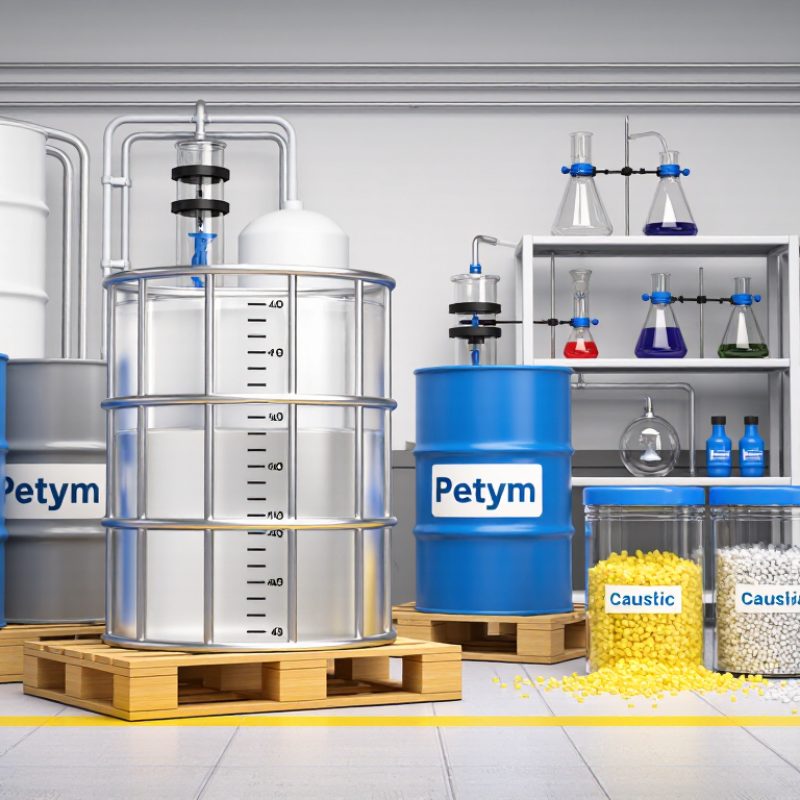
What Chemical Raw Materials Are and How They Are Classified
Chemical raw materials are substances used to make other chemicals, materials, or finished products. In 2026, the term still covers a wide range, from natural gas and mineral salts to purified intermediates. Some materials come directly from nature; others have already passed through several processing steps. The boundary is not always tidy.
One useful classification is by origin: fossil-based, mineral-based, or renewable biological feedstocks. Another is by chemical family. Organic materials contain carbon-based structures, while inorganic materials include substances such as sulfuric acid, sodium hydroxide, and mineral oxides. There is also a supply-chain classification. Ethylene, methanol, and ammonia may be described as raw materials in one process and intermediates in another. Context matters.
Materials are also grouped by market role. Commodity chemicals are generally made in large volumes and traded against broad specifications. Specialty chemicals are often valued for a particular performance or use. These labels can mislead if they are treated as fixed categories. A plant manager might classify a substance by storage needs, while a buyer focuses on price or purity. Small details count: moisture limits, concentration, and contamination can change how a material performs. So, when comparing “top” materials, check what the list measures—production volume, demand, or importance to a specific industry.
How the Leading Chemical Raw Materials of 2026 Are Identified
Identifying the leading chemical raw materials of 2026 requires more than comparing prices. A useful assessment tracks demand growth, supply concentration, processing capacity, substitution options, and exposure to energy costs. It also separates feedstocks from finished chemicals: ethane and naphtha feed petrochemical plants, while ammonia and methanol serve as key industrial inputs. The categories overlap.
The International Energy Agency’s Oil 2024 report projects global oil demand will approach 106 million barrels per day by 2030, with petrochemical feedstocks among its main growth drivers. That supports close monitoring of naphtha and natural-gas liquids, though it does not make either an automatic winner.
Process economics differ by region. A plant beside abundant gas may favor ethane; another may rely on naphtha and refinery supply.
Supply resilience matters too. The IEA’s Global Critical Minerals Outlook 2024 reports that the three largest refining countries’ share of key energy-transition minerals rose from 82% in 2020 to 86% in 2023. This concentration makes lithium and other mineral-based inputs worth tracking alongside bulk chemicals.
The ranking is not tidy. Analysts should compare price volatility, capacity additions, and verified demand data, then state where evidence is thin. A spreadsheet cannot capture every outage, and forecasts can miss. That uncertainty belongs in the assessment.
Key Chemical Feedstocks and Their Main Industrial Uses
In 2026, many chemical supply chains still begin with crude oil and natural gas. Refining and gas processing produce naphtha, ethane, and propane, which serve as feedstocks for major building-block chemicals. Ethane is commonly converted into ethylene, used to make polyethylene for packaging, pipes, and household goods. Propylene supports polypropylene production, found in car interiors, containers, and synthetic fibers. Aromatic compounds such as benzene, toluene, and xylenes go into resins, solvents, and coatings.
Methanol is another versatile feedstock. It is used in products including formaldehyde resins and acetic acid, which support construction materials, adhesives, and textiles. Ammonia is essential for nitrogen fertilizers, while sulfur is processed into sulfuric acid for mineral processing and other industrial operations. Sodium hydroxide helps make pulp and paper, and is used in textile processing and water treatment. Each material has a distinct role, but its practical value depends on purity, steady supply, and transport access.
Markets shift quickly. A plant’s feedstock choice can change with regional prices, infrastructure, and production technology. Forecasts can look neat on paper; actual supply is less predictable. Buyers should check specifications and delivery reliability, not just headline prices. Small differences in purity can affect processing performance. That matters.
Factors Shaping Demand for Chemical Raw Materials in 2026
What Are the Top Chemical Raw Materials in 2026?
Factors Shaping Demand for Chemical Raw Materials in 2026
Demand in 2026 will depend on manufacturing output, energy costs, and regional production capacity. The International Energy Agency’s Future of Petrochemicals report projected primary chemical demand to rise about 40% between 2017 and 2030. This long-range estimate highlights ethylene, propylene, methanol, ammonia, and aromatics, but it is not a 2026 sales forecast. Small shifts matter.
Construction and packaging support demand for polymers and solvents, while fertilizer markets affect ammonia and phosphate inputs. Electrification also increases demand for lithium chemicals, battery-processing materials, and protective coatings. But freight costs, plant start-ups, and weak construction can change local balances quickly. The OECD’s Global Plastics Outlook projects plastics use could nearly triple by 2060 under baseline trends. It also identifies waste and policy pressures that may favor recycled feedstocks and lower-carbon production. The transition will be uneven.
Tips: Track capacity utilization, import prices, and customer inventories alongside forecasts. Compare delivered costs, including energy and freight. Qualify a backup supplier. Forecasts miss turns.
Supply, Pricing, and Sustainability Challenges for Major Materials
In 2026, the supply outlook for ethylene, propylene, methanol, ammonia, and caustic soda will depend on energy costs, plant reliability, and transport. A refinery outage or a delayed cargo can tighten regional availability quickly. Buyers may see different prices for the same material across locations, especially when freight routes shift. That matters. Comparing delivered costs, not just quoted prices, gives procurement teams a clearer view.
Sustainability adds another layer. Producers face pressure to reduce emissions, while customers increasingly ask about feedstock origins and production footprints. Lower-carbon or recycled inputs can help, but supply may be limited and documentation uneven. This can make comparisons difficult. Long-term contracts may steady budgets, though they can leave buyers exposed if market prices fall. A practical approach is to track supplier capacity, energy exposure, lead times, and verified emissions data. Forecasts still miss things; weather, maintenance, and policy changes can quickly alter the picture.
