7 Tips for Buying a Compact Foot Massager
A Compact Foot Massager can be useful when you want a relaxing foot massage without giving up much floor space. Yet compact designs vary in fit, controls, pressure, and maintenance. A small footprint alone does not guarantee a comfortable or practical choice.
Before comparing models, think about where and how you will use one. Measure the space beside your chair, and check whether the device can sit securely on your floor. Look closely at the foot openings, especially if you have larger feet or prefer wearing thin socks. Product photos can make a unit seem roomier than it feels. Small details matter.
The right features depend on your preferences. Some devices use rolling nodes, air compression, heat, or a combination of settings. These features may feel pleasant to one person and uncomfortable to another. Comfort is personal. Read the manual and product specifications for guidance on operation, cleaning, and any stated restrictions. If you have a health condition, reduced foot sensation, or ongoing pain, ask a qualified healthcare professional whether massage is appropriate for you.
Price and appearance deserve attention, but so do noise, warranty terms, and how easily the device can be stored. There is no perfect pick for every household, and marketing claims should not replace careful comparisons. The following seven tips offer a practical way to assess comfort, fit, safety information, and everyday value before you buy. A little doubt is useful here. It can help you choose a device that suits your routine, rather than one that simply looks impressive online.
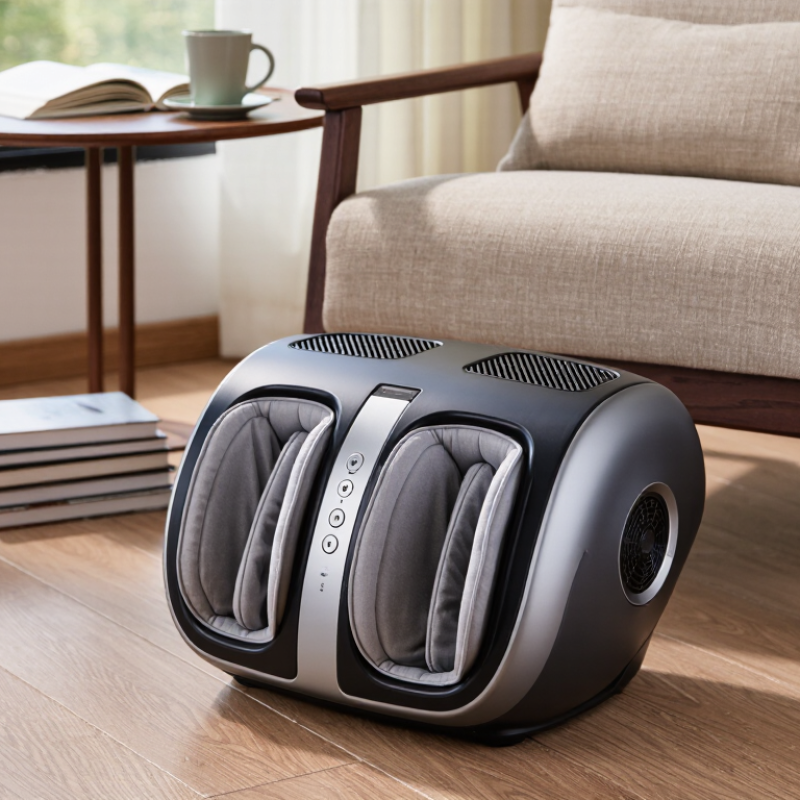
Define Your Foot-Care Needs and Intended Use
Before comparing compact foot massagers, define the problem you want one to address. Is it tired feet after standing at work, a relaxing evening routine, or a device you can store beside a desk? The American Podiatric Medical Association’s 2014 survey found that 77% of Americans had experienced foot problems. That figure is not a diagnosis, but it shows why needs differ. A person with achy arches may prefer adjustable pressure, while someone seeking gentle relaxation may value a lighter setting and simple controls.
Think about where and how often you will use it. Measure your available floor or storage space, and check that the foot chambers fit comfortably with your usual socks. If you plan to use it under a desk, confirm that the cord and controls are easy to reach. Heat can feel pleasant, but it is not essential. Keep it simple. Consider removable, wipeable covers if several people will share the device. If you have diabetes, reduced sensation, circulation problems, or persistent pain, ask a health professional before using heat or strong pressure. A massager is for comfort, not a substitute for assessment. I would not assume that stronger settings mean better care; that assumption deserves a second look.
Compare Massage Techniques, Intensity, and Heat Options
A compact foot massager can use rotating rollers, vibration, air compression, or a mix. Rollers create a focused kneading feel beneath the arch; compression sleeves squeeze and release around the foot. Vibration feels broader and lighter. Try each mode briefly, with socks off if the manual permits. Notice whether pressure reaches your heel and forefoot, not just one tender spot. Feel the difference.
Intensity matters as much as technique. Look for separate low and high settings, plus controls you can reach without bending awkwardly. Start gently; sharp pain or lingering numbness is a reason to stop, not push through. The American Podiatric Medical Association’s 2014 public-opinion research reported that 77% of Americans had experienced foot problems. That figure is a reminder to distinguish everyday comfort from treatment: a massager is not a diagnosis or a cure.
Heat can make a session feel soothing, but it should be adjustable or easy to switch off. Check where warmth lands and whether it stays comfortable after several minutes. People with reduced foot sensation or circulation concerns should ask a healthcare professional before using heat. A small design flaw matters here: a warm setting may feel mild at first, then become too much. Compare the timer, heat control, and cleaning instructions alongside the massage modes.
Check Device Size, Foot Fit, and Storage Requirements
A compact foot massager should fit your feet comfortably, not just look small. Measure both feet while standing, since they may spread slightly under your weight. Compare the longer foot’s length and width with the device’s usable footwell, not only its outer dimensions. Small details matter. A narrow opening can feel awkward, even when the listed length seems generous.
Check the chamber depth and the space around your toes and heels. If your feet are wide or you prefer extra room, look for interior measurements or clear fit guidance from the maker. A measurement can still mislead: raised sides, dividers, or a curved base may reduce usable space. Avoid guessing. Also consider whether you can slide your feet in easily while seated, without twisting your ankles or pushing the unit across the floor.
Storage needs are easy to overlook. Measure the shelf, cabinet, or space beside your chair, and allow room for the power cord. Note the device’s weight if you will move it often; a small unit can still be awkward to lift. Check whether its shape lets it stand securely in storage, and whether controls or attachments might catch on nearby items. A quick paper outline of its footprint can help you test the space before buying.
Assess Controls, Cleaning, Noise, and Everyday Comfort
A compact foot massager should be easy to operate without bending awkwardly or reaching around a chair. Check whether the buttons are clearly marked and simple to distinguish by touch. Try every setting before buying, including power, intensity, heat, and any timer. A remote can help, but only if its labels are readable and it stays within reach. Small controls can become a daily irritation.
Cleaning matters more than glossy photos suggest. Look for removable fabric liners or wipeable surfaces, and check the care instructions before assuming a cover can go in the wash. Dust and skin oils collect around seams. Less fuss helps. Noise is worth checking in a quiet room: a low hum may be fine, while rattling can interrupt reading or conversation. Comfort is personal, so consider foot size, pressure, and how firmly the device holds your feet. A strong setting is not automatically a better one. I might be giving convenience too much weight, but a device that is hard to clean or loud may spend more time stored away than in use.
Review Safety Features, Warranty, and Overall Value
A compact foot massager should feel safe before it feels relaxing. Check for a stable, non-slip base, a reachable power button, and an automatic shutoff. Heat can be soothing, but look for clear temperature controls and overheat protection. Test the controls while seated, not after your feet are already tucked inside. Stop using the device if it causes pain, unusual warmth, or numbness. Small details matter.
Read the warranty before comparing prices. Note its length, what parts are covered, and whether shipping or service fees fall to you. Keep the receipt and product instructions; they may be needed for a claim. Also check the return period, since comfort and fit are hard to judge from a product page. Fine print counts.
Overall value is more than a low price. Consider whether the unit fits beneath your desk, stores easily, and has washable or replaceable covers. A short warranty or costly replacement parts can make a bargain less appealing. I used to focus on extra massage modes; now I’d check cleaning and controls first. Not glamorous, but practical. If you have reduced foot sensation or a condition affected by heat or pressure, ask a qualified clinician before use.
Use this checklist to compare compact foot massagers. Safety protections and clear safety information deserve the highest priority; also check the warranty, return terms, fit, and total cost. Scores are suggested buyer-priority ratings, not product test results.
