What is a Snack Vending Machine and How Does It Work?
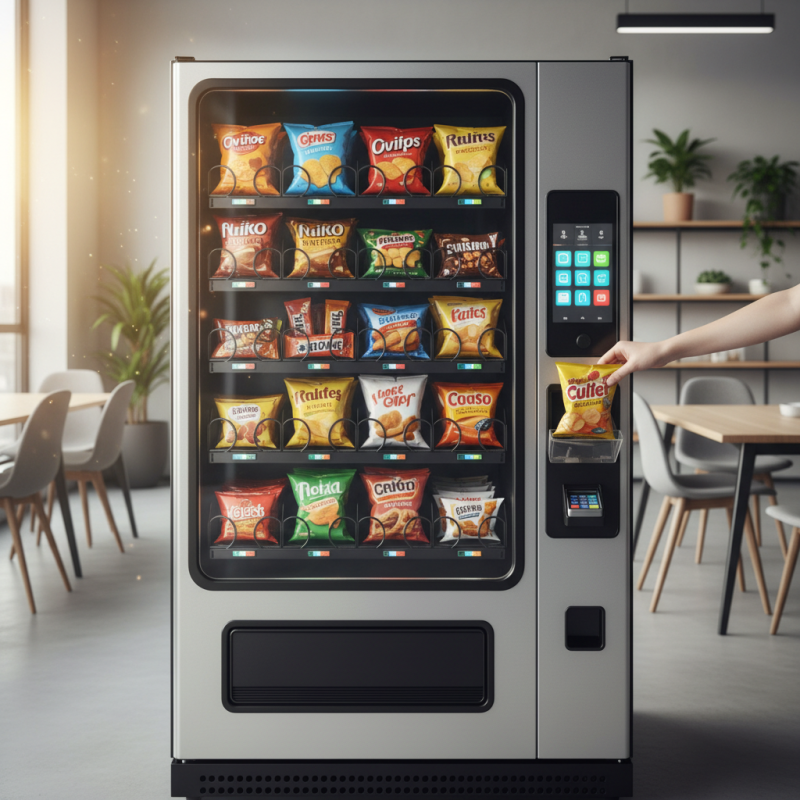
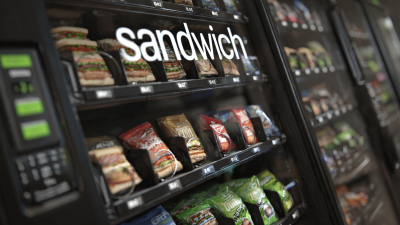
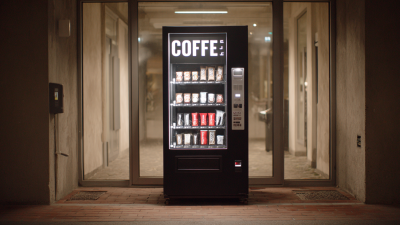
A snack vending machine is a familiar sight in schools, offices, and public places. These machines offer a convenient way for people to grab a quick bite. They provide various snacks, from chips to candy bars, often catering to different tastes.
Understanding how a snack vending machine works is fascinating. It operates on a simple mechanism, with buttons or touch screens for selection. After payment, the machine dispenses the chosen item, often making a satisfying clunking sound. However, some machines can be temperamental; they may jam or malfunction. This can lead to frustration.
Despite their convenience, snack vending machines also pose challenges. They sometimes lack healthy options, leaving consumers craving better choices. Additionally, the reliance on these machines can foster poor eating habits. In essence, while tasty snacks are just a button away, the experience can be a mixed bag.
Definition and Purpose of Snack Vending Machines
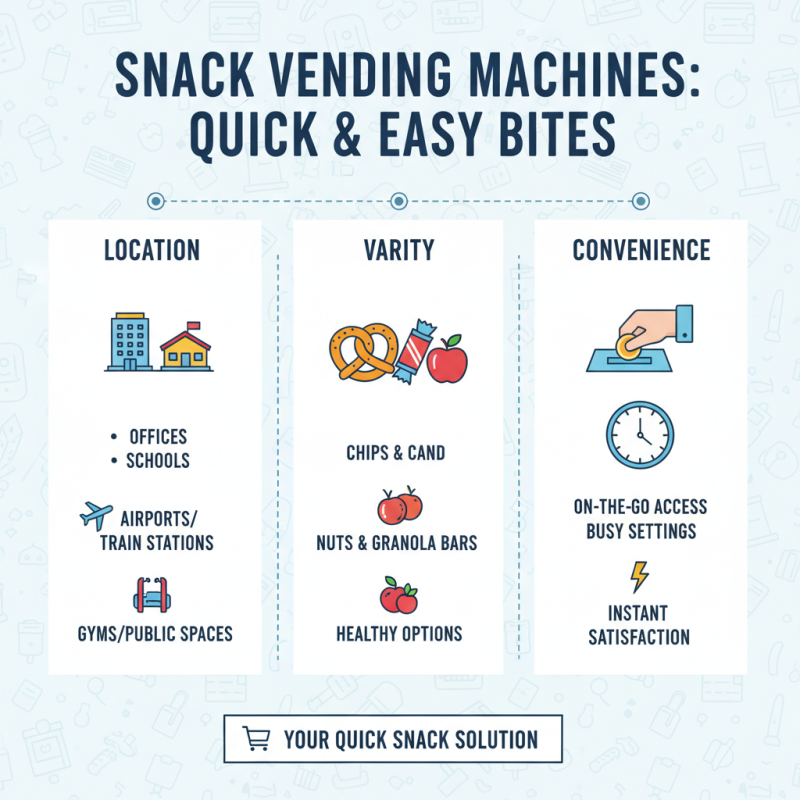
Snack vending machines are often seen in various public spaces. They serve a simple purpose: to provide quick access to snacks. These machines are designed to offer a variety of options, from chips and candies to healthier choices like nuts and granola bars. They are convenient for anyone in need of a quick bite, especially in busy settings like offices or schools.
The mechanism behind a snack vending machine is quite interesting. Users select their desired item, often by pressing a button or entering a code. Then, the machine dispenses the snack. However, not all machines work perfectly. Sometimes, items get stuck. This can lead to frustrations for users. It is a reminder that technology isn't always flawless. Regular maintenance can help improve reliability and make the user experience better.
Therefore, while snack vending machines aim to provide convenience and a variety of choices, they also present challenges. It's essential to ponder how they can be improved. Customers rely on these machines, yet they can often miss out on their preferred snacks due to mechanical issues. Understanding these hurdles can help in creating more efficient vending solutions in the future.
History and Evolution of Vending Machines
The history of vending machines dates back to ancient times. The first known device was created by Hero of Alexandria around 215 BC. It dispensed holy water upon receiving a coin. This early invention hinted at a future filled with convenient automated transactions.
Fast forward to the 20th century, vending machines evolved rapidly. By the 1950s, they offered snacks and drinks. These machines became popular in schools, offices, and public spaces. However, challenges persisted. Maintenance issues and product freshness were common complaints. Some machines even jammed frequently. Users expressed frustration over their favorite snacks being out of stock.
Technology transformed vending machines in the 21st century. Modern machines are now equipped with touchscreens and cashless payment options. Despite these advancements, inconsistencies remain. Sometimes, machines malfunction and decline accepted bills. Users may experience disappointment when favorite items are unavailable. The journey of the vending machine continues, reflecting both progress and ongoing challenges.
How Snack Vending Machines Function: A Step-by-Step Process
Snack vending machines are popular for their convenience in providing quick snacks. They function through a straightforward yet efficient process. When a customer selects a snack, the machine's internal system identifies the requested item. Data shows that over 60% of consumers choose snacks from vending machines due to their accessibility.
Once a selection is made, the machine activates a mechanism. This mechanism retrieves the snack from its compartment and prepares it for dispensing. A payment transaction follows. Most machines accept cash, cards, or mobile payments. The entire process happens within seconds, ensuring customer satisfaction. However, not all machines are stocked equally. Some may offer healthier options, which are becoming increasingly popular. A study indicates that 45% of consumers prefer healthier snacks from vending machines.
Tips: Always check the expiration dates before purchasing. Sometimes, machines might not be refilled regularly. Also, consider the snack’s nutritional value. Making informed choices can lead to better snacking habits. While vending machines provide convenience, their product selection may not always meet individual dietary needs. Not every machine strikes the right balance between taste and health.
Snack Vending Machine Sales by Type of Snack (2023)
This chart represents the sales distribution of different types of snacks from vending machines in 2023. As shown, chips lead the sales, followed by chocolate and granola bars, illustrating popular choices among consumers.
Components and Technology Behind Snack Vending Machines
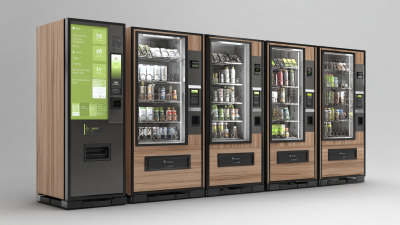
Snack vending machines are fascinating devices that combine technology and design. These machines typically consist of several components, including a product display, selection keypad, and a payment system. The product display showcases snacks in organized rows. A user can view their options easily.
The inner mechanisms are equally important. When a snack is selected, a motorized system retrieves the product. Sensors detect if the item has been dispensed correctly. If not, the machine may trigger an alert. This process requires precise engineering to avoid jams. Frequent maintenance is necessary to keep it running smoothly. Also, monitoring inventory can be challenging. A machine may run out of popular snacks quickly, leaving customers disappointed.
Payment systems have evolved. Many machines now accept cash, cards, and mobile payments. This offers convenience but can lead to piracy risks. Ensuring secure transactions is essential for user trust. Regular updates to technology also mean that operators need to adapt frequently. Balancing innovation with practicality remains a continual challenge.
Benefits and Challenges of Using Snack Vending Machines
Snack vending machines offer convenience for people on the go. They provide quick access to a variety of snacks, making them popular in various settings. Schools, offices, and gyms often host these machines. However, relying on them comes with benefits and challenges.
One clear benefit is the accessibility of snacks. With 24/7 availability, users can grab a bite any time. This is helpful for late-night study sessions or early morning commutes. Additionally, vending machines can cater to diverse tastes, providing options for everyone. Yet, the quality of snacks varies widely. Many machines offer high-sugar and high-sodium choices, which might not be the healthiest options.
On the flip side, maintenance can be an issue. Machines can get jammed or stocked incorrectly, frustrating users. There are also concerns about hygiene. Many people touch the same buttons, raising questions about cleanliness. This reflects a need for better management and regular cleaning. Ultimately, while snack vending machines are convenient, their effectiveness relies on good maintenance and healthier snack options.
What is a Snack Vending Machine and How Does It Work? - Benefits and Challenges of Using Snack Vending Machines
| Feature |
Description |
| Product Variety |
Offers a range of snacks including chips, candy, nuts, and healthy options like granola bars. |
| Payment Methods |
Accepts cash, credit/debit cards, and mobile payments, providing convenience for users. |
| Restocking Frequency |
Typically restocked weekly or bi-weekly, depending on demand and location. |
| Location Benefits |
Installed in high-traffic areas such as schools, offices, and hospitals for easy access. |
| Challenges |
Vandalism, machine malfunctions, and stock shortages can affect service and user satisfaction. |
| Health Trends |
Growing demand for healthier snack options is leading to changes in product offerings in vending machines. |
| User Experience |
Modern machines often feature touch screens, product images, and nutritional information for a better shopping experience. |