Top 10 Personalized Shipping Boxes for Small Businesses
For a small business, the shipping box is often the first physical moment a customer has with the brand. It must protect the order, fit the product, and feel considered. Personalized Shipping Boxes can do all three, but only when design serves practical needs. A beautiful box that wastes space or arrives crushed is not a win.
The U.S. Census Bureau estimated 2024 U.S. e-commerce sales at $1.1926 trillion, or 16.1% of total retail sales. That scale makes the delivery experience hard to ignore. Dotcom Distribution’s 2016 packaging study also found that 40% of surveyed consumers were more likely to make repeat purchases from retailers using premium packaging. These figures offer useful context, not a guarantee that custom packaging will lift every small business. For the design principle, Paul Rand’s often-cited line is apt: “Design is the silent ambassador of your brand.” Rand was a leading graphic designer, not a shipping-box specialist; that distinction matters.
In this guide, we compare ten options by print quality, customization, durability, minimum order quantities, and likely cost. Think of a crisp logo on a sturdy mailer, not decoration for decoration’s sake. The right choice depends on what you ship and how often. A small batch may cost more per box. That can be acceptable. It can also be a poor use of cash. Check samples, dimensions, and shipping needs before committing; packaging claims alone deserve a closer look.
Understanding Personalized Shipping Boxes for Small Businesses
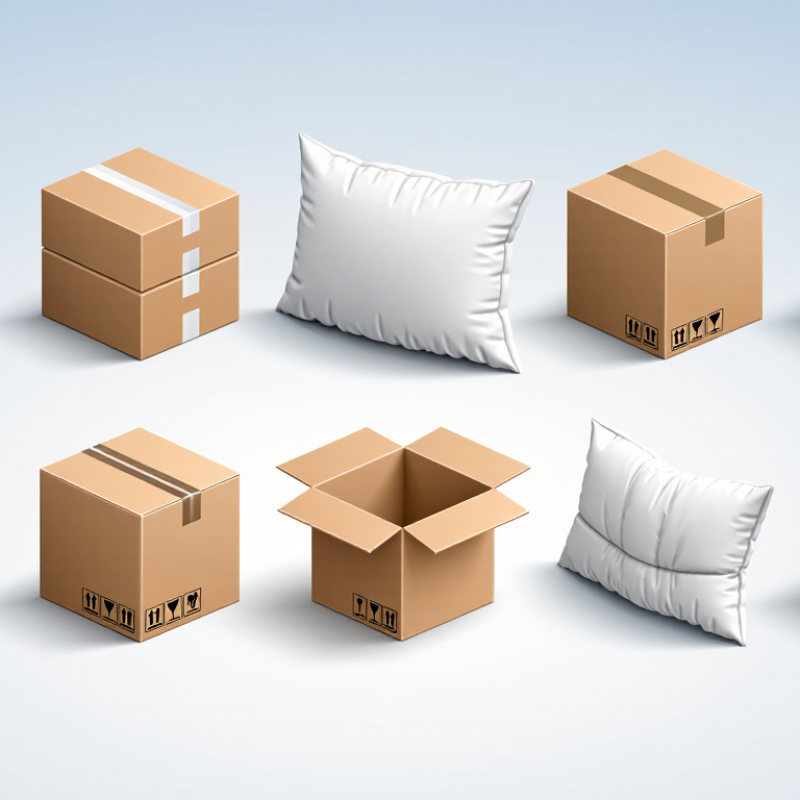
Personalized shipping boxes are corrugated cartons adapted with a business’s colors, logo, dimensions, or a short message. For a small seller, the goal is not decoration alone. A close-fitting box can reduce empty space, limit movement, and make a parcel recognizable at the doorstep. U.S. Census Bureau data put online sales at 16.1% of U.S. retail sales in the fourth quarter of 2024. As more purchases arrive by mail, packaging becomes a customer’s first physical interaction with a seller. Small details matter.
Customization can stay simple: one-color printing, a thank-you note, or a pattern inside the lid. The 2017 Packaging Matters consumer survey reported that 40% of respondents were more likely to recommend a product on social media when it arrived in premium packaging. That suggests an opportunity, not a promise of sales; survey findings may not reflect every customer or small business. Cost and protection still come first. The U.S. Environmental Protection Agency reported a 96.5% recovery rate for corrugated boxes in 2018. However, coatings, tape, and local collection rules can affect recycling. A thoughtfully printed box should protect its contents without making disposal harder.
How Custom Boxes Build Brand Recognition and Customer Loyalty
A plain shipping carton protects an order. A personalized box can also make a small business easier to remember. Imagine a customer opening a parcel on a kitchen counter: a clear logo, a neat message inside the lid, and paper that keeps a product from sliding. These small details create a recognizable moment. They do not guarantee loyalty, but they can make a delivery feel considered rather than anonymous.
The 2016 Dotcom Distribution eCommerce Packaging Study reported that 40% of surveyed consumers were more likely to purchase again from a retailer using premium packaging. It also found that 50% were more likely to share a product image online when it arrived in gift-like packaging. These findings are useful, though they are not proof that custom boxes alone cause repeat sales. Packaging works best when it matches the product and arrives intact.
For a small business, consistency matters more than elaborate printing. Use the same colors, logo placement, and tone across box sizes. A simple thank-you note can feel warmer than a crowded insert. Keep the box easy to open, too. That part is often overlooked. A beautifully branded parcel that requires scissors and patience may frustrate the person it was meant to delight. Test designs with real orders, then adjust based on customer feedback and damage rates.
Top 10 Personalized Shipping Boxes for Small Businesses — How Custom Boxes Build Brand Recognition and Customer Loyalty
| Rank | Box Type | Common Construction or Feature | Personalization Options | Suitable Products | Brand and Customer Experience |
|---|---|---|---|---|---|
| 1 | Corrugated Mailer Box | Folding corrugated box with a hinged lid; often closes without separate outer packaging for suitable shipments. | Printed exterior or interior, custom colors, stickers, tissue paper, and an insert card. | Apparel, accessories, small home goods, and curated product sets. | Creates a recognizable unboxing presentation while providing more structure than a paper mailer. |
| 2 | Regular Slotted Carton (RSC) | A common corrugated shipping-box style with four top flaps and four bottom flaps that meet at the center when closed. | One- or two-color printing, branded tape, printed labels, and custom exterior markings. | Bulk orders, pantry goods, household items, and products packed with cushioning. | Offers a practical surface for clear brand identification and shipping information. |
| 3 | Custom Die-Cut Box | Cut and creased to a specified shape or closure; the design can be made to fit a particular product. | Custom structure, printed graphics, shaped openings, and product-specific inserts. | Distinctive products, kits, and items that need a close-fitting presentation. | A product-specific fit can make packaging feel considered and help keep items organized. |
| 4 | Subscription Box | A mailer or corrugated box configured to hold a recurring assortment of products. | Seasonal artwork, themed inserts, printed messages, and compartments for included items. | Monthly product assortments, hobby kits, and recurring customer orders. | Consistent packaging helps make repeat deliveries recognizable and gives each shipment a cohesive theme. |
| 5 | Box with Custom Insert | A standard or custom outer box paired with a shaped insert that holds products in position. | Printed insert, branded compartments, product labels, and coordinated interior colors. | Fragile goods, multi-piece sets, bottles, and small electronics. | Neat product placement can improve presentation and reduce movement inside the package when properly designed. |
| 6 | Tuck-Top Mailer | A folding carton or mailer style with a tuck-in top closure; material and strength vary by design. | Printed panels, a custom closure, a logo area, and small-format messaging. | Lightweight, compact items that do not require heavy-duty corrugated packaging. | A clean, easy-to-open design can provide a tidy presentation for lightweight shipments. |
| 7 | Literature Mailer | A flat or shallow mailer designed for documents or products that benefit from a slim profile. | Printed cover, return information, branded labels, and a message printed inside the lid. | Books, catalogs, prints, stationery, and flat accessories. | Provides a defined space for brand details without using a deeper box than the contents require. |
| 8 | Self-Locking Corrugated Box | A die-cut design with tabs or interlocking panels that help form the box; the closure depends on its construction. | Printed outside panels, a custom locking design, and coordinated inserts or labels. | Small retail products, gift items, and kits with a defined shape. | A structured shape and integrated closure can make packing and opening feel more deliberate. |
| 9 | Insulated Shipping Box | An outer shipping carton combined with insulating materials; cooling requirements depend on the product and shipping conditions. | Printed outer carton, branded handling instructions, and coordinated product inserts. | Temperature-sensitive goods when paired with packaging validated for the shipment. | Clear, consistent packaging and handling information can help customers understand how to receive and store the delivery. |
| 10 | Kraft Corrugated Box | Corrugated board with a kraft-paper appearance; strength and recycled content depend on the selected material. | One-color printing, paper labels, branded tape, stamps, and simple interior messaging. | General merchandise, handmade goods, and orders where a natural-looking presentation fits the product. | A consistent kraft look can support a simple visual identity; sustainability claims should be based on verified material details. |
Selection note: Choose box dimensions and materials based on the product, cushioning, shipping method, and applicable carrier requirements. Custom printing and structural options vary by packaging supplier.
Key Factors for Comparing Personalized Shipping Box Options
Compare personalized shipping boxes by fit, strength, print quality, and the full delivered cost. A box with generous empty space may need extra cushioning and take up more room in transit. Measure the packed product, not just the product itself. A snug fit helps limit movement, though fragile items still need suitable protection.
Material matters. Lightweight corrugated board can reduce shipping weight, while heavier board may better resist stacking and rough handling. Ask for samples and test them with your actual products. Check whether corners crush easily and whether the lid stays closed after packing. Small details count. Print options also vary: fine text, dark colors, and coverage across folds can look different on real board than on a screen. Request a printed proof before approving a large order.
Compare minimum order quantities, setup charges, repeat-order pricing, and production times—not only the price per box. A low unit price may be less useful if you must store more boxes than your business can use. Delivery estimates deserve a little skepticism, too; leave room for seasonal delays. Ask what materials are used and whether environmental claims are supported with clear documentation. One easy mistake is choosing a striking design before checking packability. It happens. A simple trial run can reveal whether staff can assemble the box quickly, fit the product safely, and keep packing waste manageable.
Top 10 Personalized Shipping Boxes for Small Businesses
For small businesses, personalized shipping boxes should protect the product, fit the order, and make the unboxing feel considered. The U.S. Census Bureau estimated 2024 e-commerce sales at $1.1926 trillion, or 16.1% of total retail sales. That scale makes packaging a customer touchpoint, not merely a container. Fit matters most.
Ten useful formats cover different needs: standard corrugated cartons for sturdy everyday shipments; printed mailer boxes for subscription products; kraft tuck-top boxes for light goods; die-cut roll-end boxes for a close fit; book-fold boxes for flat items; telescoping boxes for variable-height products; cube boxes for balanced packing; long boxes for posters or tools; compartmented boxes for sets; and reusable shipping boxes for repeat deliveries. Add a modest logo, a color band, or a short inside-lid message. Small details can feel personal without crowding the design.
Packaging also creates waste. The U.S. Environmental Protection Agency reported that containers and packaging made up 82.2 million tons of municipal solid waste in 2018, or 28.1% of the total. Right-sizing can reduce excess material, though custom dimensions may raise unit costs or complicate storage. A practical test is to ship sample orders in two box sizes, then check product movement, cushioning, and postage. Customization is not automatically smarter. Measure before printing a large batch.
How to Choose Boxes for Products, Budgets, and Shipping Needs
Choosing personalized shipping boxes starts with product dimensions, not artwork. Measure each item at its widest points, then allow room for protective material. A snug fit limits movement, while excess space may require more filler and increase parcel weight. Fragile ceramics need cushioning on every side; folded textiles may travel safely in a lighter carton. Check the packed box, not just the empty one. Small details matter.
Budget depends on more than the printed price. Compare box cost, minimum order quantity, storage space, and shipping fees together. A custom size may reduce wasted space, but a large order can tie up cash. For seasonal products, plain boxes with a small printed label may be more practical.
Test a sample using your normal packing routine and inspect its corners afterward. One test is not proof, but it can reveal weak spots before you order many boxes. Also consider whether staff can assemble the box quickly during busy periods.
Tips: Keep a packed sample near your packing station. Record its dimensions and weight. Ask your shipping provider about size-based charges before ordering. If the product or design changes, test a fresh sample; even a small edit can create an awkward fold.
