What Is Moisturizing Dish Soap Used For?

Moisturizing Dish Soap is made to clean everyday dishes while leaving hands feeling less dry than some conventional detergents. It lifts grease and food residue from plates, pans, and glasses. Some formulas also contain conditioning ingredients, such as glycerin or skin-softening agents. These may help reduce that tight, squeaky feeling after repeated washing. They do not turn dish soap into hand lotion.

Industry reports help explain the product’s place in household care. Euromonitor International’s Home Care research tracks dishwashing products as a distinct category, while the American Cleaning Institute’s National Cleaning Survey examines consumer cleaning habits and attitudes. ACI spokesperson Brian Sansoni has described cleaning as “a first line of defense in protecting our health.” That statement concerns cleaning broadly, not a specific moisturizing formula. The distinction matters.

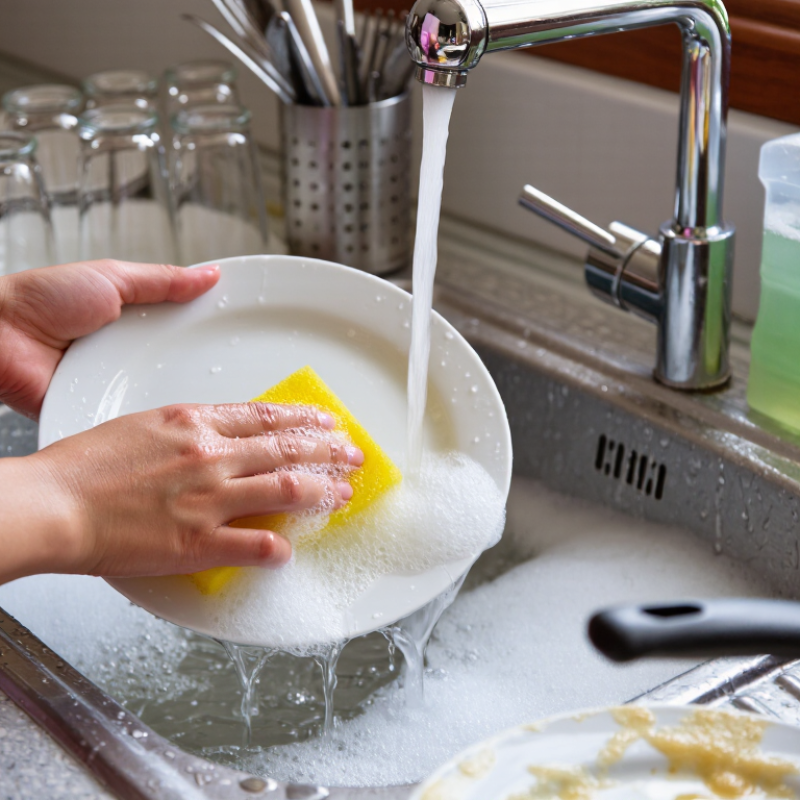
Think of a sink after dinner: oily pans, a stack of plates, and several rounds of hot water. Moisturizing Dish Soap is used to remove that mess while aiming to make frequent handwashing more comfortable. Yet “moisturizing” does not guarantee that hands will stay soft. Water temperature, washing frequency, and individual skin sensitivity all play a part. A product’s label is worth checking, especially if your skin reacts easily. And one modest reality: even a gentle-feeling dish soap can leave hands dry. For persistent irritation, stop using the product and seek advice from a qualified healthcare professional.
What Is Moisturizing Dish Soap Used For?

What Moisturizing Dish Soap Is and How It Works

Moisturizing dish soap is a dishwashing liquid that combines grease-cutting surfactants with ingredients intended to reduce the dry feel left on hands. Surfactants loosen food oils so water can rinse them away. Depending on the formula, glycerin or other humectants attract water, while emollients help leave a softer feel. The balance matters: a soap still needs to remove grease, so “moisturizing” does not mean it works like hand lotion.

Repeated exposure can still bother skin. Germany’s occupational safety guidance, TRGS 401, treats hands wet for more than two hours per workday or washed more than 20 times daily as wet work. That threshold comes from workplace risk guidance, not a promise that one dish soap will prevent dryness. A practical test is how your hands feel after a sink of hot, sudsy water: tightness or rough patches may signal that frequent washing is taking a toll. Not a cure. Use lukewarm water, rinse thoroughly, and apply a separate hand cream after drying if skin feels dry. “Moisturizing” on the label is a useful clue, but the exact formula and your skin’s response matter more.

How It Removes Grease and Food Residue

Moisturizing dish soap is designed to loosen cooking grease while washing away food particles from plates, pans, and utensils. Its surfactants help water spread across oily surfaces, surround grease, and carry it away during rinsing. A warm, sudsy soak can soften dried sauce on a plate or oily film around a pan’s handle. The moisturizing ingredients may make frequent handwashing feel less drying, but they do not guarantee that skin will stay irritation-free.

Temperature and contact time matter. The U.S. FDA’s 2022 Food Code specifies wash water of at least 110°F (43°C) for manual warewashing in food-service settings, unless the detergent label requires otherwise. That is a commercial standard, not a household rule, but it shows why warm water can support grease removal.

For home use, follow the soap label, use a clean sponge, and rinse away loosened residue. Stubborn, baked-on food may need soaking or gentle scrubbing. More soap is not always better. It can leave extra suds and take longer to rinse.

A quick check helps: run a clean finger over the rinsed dish. If it still feels slick or looks cloudy, wash it again. This isn’t a lab test. Water hardness, food type, and sponge condition can all change the result, so one washing routine may not work equally well every day.

Everyday Uses for Washing Dishes and Cookware

Moisturizing dish soap is made for everyday handwashing of plates, cups, cutlery, and cookware. It helps loosen food grease so soil can be rinsed away with water. A few drops in warm water are often enough for a sink of lightly soiled dishes. The moisturizing ingredients can make washing feel less drying, but they do not prevent irritation for everyone. That matters.

For dried oatmeal on a bowl or oil on a frying pan, let the item soak briefly before scrubbing. Use a soft sponge on nonstick surfaces, and check the cookware maker’s care instructions before using abrasive pads. Rinse each item well, especially cups and utensils, so no slippery soap film remains. It is tempting to add more soap when a pan looks greasy; extra suds are not always necessary.

Tips: Scrape food scraps into the bin before washing. Wash less-greasy items first, then tackle pans and baking dishes. Keep water warm, not uncomfortably hot, and use gloves if your hands are sensitive. If a surface feels slick after rinsing, give it another rinse. Sometimes the simple step gets missed.

When It Can Be Used on Other Household Items

What Is Moisturizing Dish Soap Used For?

When It Can Be Used on Other Household Items

Moisturizing dish soap is made to loosen food grease from dishes while being gentler on hands than some stronger degreasers. That does not make it a universal household cleaner. A small amount, diluted in warm water, can clean washable plastic toys, sealed countertops, and the outside of kitchen appliances. Wipe with a clean, damp cloth afterward, especially where food is prepared.

It can also lift grime from washable sneaker soles or plastic storage bins. Test a hidden spot first. The American Cleaning Institute’s 2024 National Cleaning Survey surveyed 1,000 U.S. adults, offering a snapshot of everyday cleaning habits; however, survey findings do not establish which cleaner is safe for every surface. Check the item’s care instructions, and never assume “mild” means suitable for all finishes.

Avoid using dish soap on unfinished wood, leather, delicate fabrics, or electronics. On glass, it may leave a film if too much is used. A little goes a long way. Rinse thoroughly, and dry metal surfaces to limit water marks. I have found it tempting to reach for one bottle for every small mess, but that shortcut can backfire; some materials need a cleaner made specifically for them.

Surfaces and Materials to Avoid or Treat With Care

Moisturizing dish soap is made for washable dishes, not every surface in the kitchen. Conditioning ingredients may leave a light film, especially when too much soap is used or rinsing is rushed. Glasses can show streaks. Check the product label, and use only a small amount.

Treat unsealed wood with care. It can absorb water, swell, or develop dull patches if left wet. Wash wooden boards only when their care instructions allow it, and dry them promptly. Natural stone also deserves caution: residue may affect the finish, and some stones need a specific cleaner. Test an inconspicuous spot first. A test is not a guarantee.

Avoid using dish soap on leather, electronic screens, or surfaces whose makers specify a dedicated cleaner. On cast iron, avoid soaking; wash briefly, rinse, and dry at once to limit rust. If you use soapy water on a floor, follow the surface-care directions and rinse well. A leftover film can make it slippery. I sometimes assume a “gentle” formula is harmless, but that assumption is not reliable; materials and formulas vary.