How to Choose Smart Vending Machines for Global Buyers?

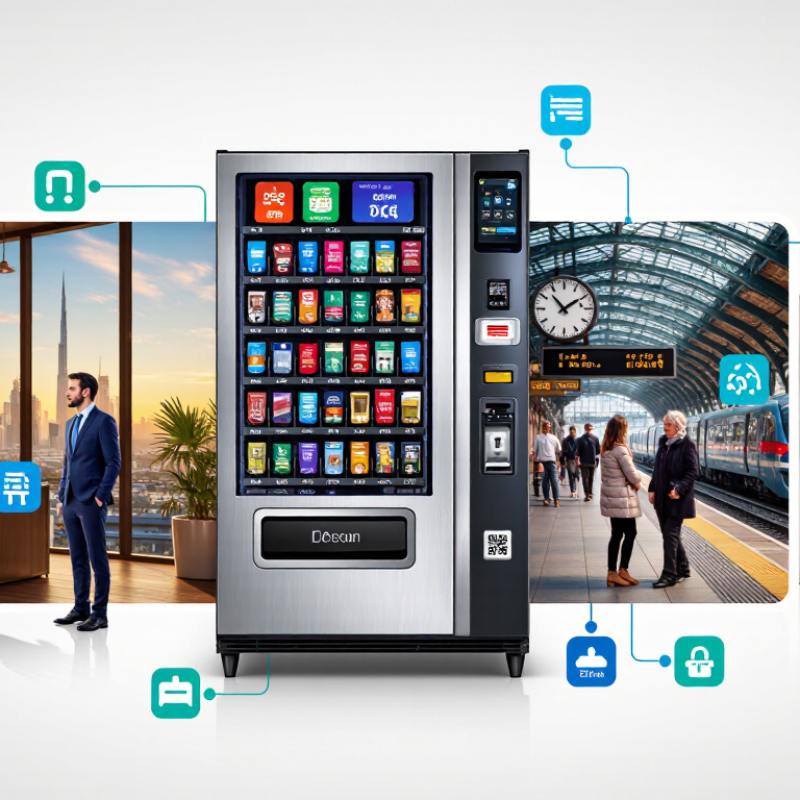
Choosing smart vending machines for global markets requires more than comparing screen size, payment options, or advertised software. Buyers must connect market data with daily operating realities. A machine placed in a Dubai office, a London railway station, or a rural Australian clinic faces different temperatures, currencies, foot traffic, and service conditions.

Grand View Research estimates the global smart vending machine market could expand at a 14.9% compound annual growth rate from 2024 to 2030. Allied Market Research also forecasts strong growth for the wider vending machine industry, reaching approximately USD 37.2 billion by 2030. These figures show meaningful opportunity. However, they are not perfectly comparable. Definitions, regions, and research methods differ. That gap matters.

Professional buyers should examine total ownership costs, not only purchase prices. A reliable unit needs secure cashless payments, real-time inventory alerts, remote diagnostics, energy-efficient cooling, and software that supports local languages. Payment compatibility is critical. A card reader that fails during peak hours quickly damages revenue and trust. Buyers should also verify electrical standards, accessibility features, cybersecurity controls, warranty coverage, and the availability of trained technicians.

Field experience often reveals uncomfortable details. A beautiful touchscreen cannot compensate for slow replenishment or weak network coverage. Likewise, impressive analytics may produce little value without disciplined inventory management. Pilot testing is therefore essential. Measure sales by hour, product spoilage, transaction failures, maintenance response, and customer satisfaction. Global buyers should treat industry forecasts as useful direction, not guaranteed results. The best smart vending machines are practical, serviceable, compliant, and suited to the exact location where they will operate.
How to Choose Smart Vending Machines for Global Buyers?

Define Your Vending Business Goals and Target Markets

How to Choose Smart Vending Machines for Global Buyers?

Define your business goal before comparing machine features. Are you testing one location, serving offices, or building a regional network? NAMA’s 2023 industry report places U.S. convenience services revenue above 30 billion dollars. That figure signals demand, but it does not guarantee success in every city.

A hospital needs quiet operation and healthy products. A factory may prioritize large capacity, rugged payment hardware, and fast restocking.

Write down your expected daily sales, product sizes, service hours, and acceptable downtime.

Your target market should shape the machine’s payment, language, and cooling systems.

Worldpay’s Global Payments Report 2024 states that digital wallets represented about half of global e-commerce value in 2023. That does not mean every customer prefers a wallet. Cash, cards, local transfers, and contactless payments may all matter.

Review foot traffic, climate, electricity reliability, and local purchasing habits. Market forecasts from Grand View Research show continued growth in automated retail, but forecasts can be optimistic.

Tips:

Test a small pilot first. Measure sales by hour, refunds, stockouts, and maintenance calls. Ask real customers what they wanted but could not buy. Reconsider weak products quickly.

A beautiful interface cannot repair poor location economics.

I would also leave spare capacity for seasonal demand, because early estimates are often wrong. Choose equipment that supports remote monitoring, clear pricing, secure transactions, and documented service procedures. Ensure local compliance before installation.

Compare Machine Types, Features, and Product Compatibility

Choosing a smart vending machine starts with the product, not the screen. Spiral machines suit packaged snacks, drinks, and small personal-care items. Locker machines handle fragile goods, meal boxes, and multiple-item orders more safely. Refrigerated machines support fresh food, but they require steady temperature control and dependable maintenance. Combo machines save floor space, although their mixed layout can limit product variety.

Check product compatibility in physical detail. Measure package width, height, weight, and shape before ordering. A narrow spiral can damage soft packaging. A deep locker may waste capacity on small products. Refrigerated shelves should maintain stable temperatures during busy periods and power interruptions. Test real items, not only sample boxes. That difference matters.

Smart features should support daily operations. Remote inventory alerts reduce empty selections and unnecessary visits. Multiple payment options help international customers, but local payment access and transaction security need verification. Look for clear sales reports, adjustable pricing, energy monitoring, and simple staff controls. Confirm electrical standards, accessibility requirements, data protection rules, and service availability in each target market. A beautiful interface cannot repair poor local support.

I once saw a machine perform well in testing but struggle beside a sunny entrance. Heat affected cooling efficiency and product quality. Site conditions deserve equal attention. Compare warranty terms, spare-part access, cleaning procedures, and software updates before comparing prices. The cheapest unit may become expensive when one failed component stops an entire sales channel. Expect some compromise. No machine fits every product, location, or customer group perfectly.

How to Choose Smart Vending Machines for Global Buyers? - Compare Machine Types, Features, and Product Compatibility

Evaluation Dimension Snack Vending Machine Beverage Vending Machine Combo Vending Machine Refrigerated Fresh-Food Machine Frozen-Food Vending Machine
Primary Product Format Packaged, shelf-stable products in bags, boxes, cartons, or small containers. Cans, bottles, cartons, and other sealed single-serve drinks. Mixed selection of packaged snacks and non-alcoholic beverages. Chilled meals, salads, sandwiches, dairy products, fruit cups, and other short-life foods. Frozen meals, ice cream, frozen snacks, and other products requiring sub-zero storage.
Typical Temperature Requirement Ambient temperature; commonly suitable for dry products that do not require refrigeration. Ambient or chilled, depending on the product. Chilled drinks commonly require approximately 2–8°C. Separate ambient and chilled zones may be available; temperature depends on the selected configuration. Usually maintained at approximately 0–5°C, subject to local food-safety requirements and product specifications. Typically maintained at approximately -18°C or below for frozen products.
Typical Storage Capacity Approximately 30–60 product selections and about 150–500 individual items, depending on shelf size and package dimensions. Approximately 6–12 selections and about 100–400 containers, depending on bottle or can dimensions. Approximately 20–50 total selections and about 100–350 mixed items. Approximately 20–60 selections and about 60–250 units, depending on package size and shelf spacing. Approximately 15–40 selections and about 50–200 units, depending on frozen-product dimensions and freezer layout.
Product Compatibility Chips, confectionery, biscuits, cereal bars, nuts, instant noodles, personal-care items, and other non-perishable goods. Water, soft drinks, juices, energy drinks, milk-based beverages, and other sealed beverages within the machine’s size limits. Suitable for locations requiring both packaged snacks and beverages in one cabinet. Fresh meals, salads, sandwiches, prepared food, dairy items, and products with validated refrigerated shelf life. Frozen meals, desserts, ice cream, dumplings, frozen meat products, and other goods requiring continuous freezing.
Dispensing Mechanism Coil, conveyor, belt, or elevator delivery. Elevator systems can reduce impact on fragile products. Spiral, conveyor, robotic lift, or controlled-drop delivery; the mechanism must support the container’s weight and shape. Usually combines spiral or belt dispensing for snacks with a dedicated beverage delivery system. Elevator, robotic, or controlled-drop delivery is preferred to protect delicate and prepared foods. Elevator or controlled-dispensing systems are preferred because frozen products may be brittle and heavy.
Temperature-Control Hardware Normally not required; ventilation and protection from excessive heat or humidity may still be necessary. Optional or integrated cooling system, insulated cabinet, temperature sensor, and compressor-based refrigeration. May include a refrigerated beverage section with a separate ambient snack section. Refrigeration system, insulated cabinet, temperature monitoring, condensate management, and alarm functions. Freezer compressor, insulated cabinet, temperature monitoring, defrost management, and high-quality door seals.
Recommended Indoor Locations Offices, schools, hospitals, transport hubs, factories, hotels, apartment buildings, and retail entrances. Offices, gyms, schools, hospitals, campuses, transport hubs, outdoor shelters, and public venues. Workplaces, residential buildings, hotels, campuses, and locations with moderate demand for both product groups. Hospitals, offices, universities, residential communities, transit facilities, and locations with regular meal demand. Supermarkets, residential communities, campuses, entertainment venues, and sites with reliable electrical service.
Smart Features to Prioritize Remote inventory Low-stock alerts Cashless payment Sales analytics Temperature alerts Remote pricing Cashless payment Energy monitoring Planogram control Remote inventory Dual-zone monitoring Multiple payment options Real-time temperature logs Expiry tracking Door-open alerts Batch inventory management Freezer temperature alarms Power-failure alerts Remote diagnostics Energy monitoring
Payment Compatibility Coins, banknotes, contactless cards, mobile wallets, QR payments, and closed-loop payment systems, subject to regional integration. Coins, banknotes, contactless cards, mobile wallets, QR payments, and cashless fleet-management systems. Supports multiple payment methods, but payment terminals and software should be tested with both product zones. Cashless payments are commonly preferred for higher-value meals; local payment certification may be required. Cashless payments, cards, mobile wallets, and QR payments are suitable where product prices and service frequency justify the investment.
Electrical Considerations Usually lower power demand because no refrigeration is required; confirm voltage, frequency, and plug configuration for the destination market. Higher power demand when active cooling is used; check compressor starting current and local electrical protection requirements. Power demand varies significantly with the presence and size of the refrigerated compartment. Requires continuous power for refrigeration and monitoring; backup power may be advisable for sensitive products. Requires continuous high-performance cooling and stable power; backup power and restart protection should be evaluated.
Operational Advantages Simple product handling, broad packaging compatibility, lower energy use, and relatively easy restocking. High demand in many locations, clear product presentation, and strong suitability for impulse purchases. Saves floor space by combining two common product categories in one machine. Can provide convenient meals and higher-value products where food-service access is limited. Extends access to frozen products in locations without a full-size retail freezer.
Main Limitations Not suitable for products requiring temperature control or strict short-term expiry management. Refrigeration increases energy use, maintenance needs, and sensitivity to ambient temperature. More complex layout, replenishment, troubleshooting, and temperature management than single-purpose machines. Shorter product shelf life, stricter hygiene controls, higher maintenance requirements, and greater waste-management needs. High energy consumption, strict temperature control, longer pull-down time, and greater dependence on reliable electricity.
Best Buyer Profile Buyers seeking a cost-efficient machine for stable, packaged, non-perishable products. Buyers targeting beverage-heavy locations with sufficient electrical capacity and demand for chilled drinks. Buyers needing broad product variety while limiting the number of cabinets and the required floor area. Buyers operating near offices, healthcare facilities, campuses, or residential areas with consistent demand for fresh food. Buyers serving locations where frozen products are popular and dependable power and cold-chain procedures are available.
Key Checks Before Purchase Confirm shelf spacing, coil dimensions, package compatibility, accessibility height, payment standards, and local electrical specifications. Confirm bottle and can diameter, cooling performance, compressor compatibility, delivery protection, payment certification, and ventilation clearance. Confirm separate temperature zones, product-layout flexibility, total power consumption, service access, and replenishment workflow. Confirm food-safety documentation, temperature-recording capability, cleaning access, expiry management, insulation quality, and local compliance. Confirm minimum operating temperature, freezer recovery time, insulation performance, defrost cycle, alarm functions, and emergency-power plan.

Technical figures are typical planning ranges rather than universal specifications. Actual capacity, power consumption, temperature performance, payment availability, and regulatory requirements vary by cabinet configuration, local climate, product packaging, and destination-market standards.

Evaluate Payment Systems, Connectivity, and Local Regulations

How to Choose Smart Vending Machines for Global Buyers?

Payment performance often decides whether a vending machine succeeds. Test contactless cards, mobile wallets, QR payments, and local currency options before installation. A practical machine should continue a transaction after a brief network interruption. However, offline payments can create reconciliation risks. Review settlement timing, refund tools, fraud controls, and transaction records with the payment provider.

Connectivity deserves equal attention. Compare cellular, Wi-Fi, and wired connections at the proposed location, not only in a showroom. A basement station may need a stronger antenna or a different network plan. Remote monitoring should show inventory levels, temperature, payment errors, and door activity. Keep alerts simple. Too many notifications can hide serious faults. We once assumed stable Wi-Fi would be available everywhere; that assumption proved expensive.

Local regulations can change the equipment specification. Check electrical certification, safety markings, consumer protection rules, tax receipts, accessibility requirements, and data privacy obligations. Some cities require clear pricing, local-language instructions, or specific refund procedures. Ask a qualified local adviser to confirm the details before shipment. Keep written records of approvals and maintenance checks. This improves accountability when inspectors, operators, or customers raise questions.

A reliable buyer also tests the complete customer journey. Try a failed payment, a cancelled purchase, a cashless refund, and a power restart. Small gaps become visible quickly. Do not treat compliance as paperwork alone. It affects the screen design, payment flow, software settings, and daily service routine.

Assess Suppliers, Customization Options, and After-Sales Support

How to Choose Smart Vending Machines for Global Buyers?

Choosing a smart vending machine starts with checking the supplier, not the screen design. Ask for factory photos, production records, export experience, and recent customer references. A reliable supplier should explain payment terms, testing procedures, spare parts, and delivery schedules clearly. Request a sample machine when possible. Small details matter, such as door alignment, payment response time, and temperature stability. I once reviewed a machine with excellent software but weak hinges. That mistake became expensive after months of daily use.

Customization should support your location, not merely make the machine look different. Confirm payment methods, languages, product dimensions, lighting, branding areas, and remote monitoring functions. Ask whether the software supports local networks and data protection requirements. A supplier should provide drawings before production begins. Check power specifications carefully. Voltage differences can damage equipment and delay installation. Some buyers request too many features at once. The result may be slower maintenance and higher costs.

After-sales support often separates a useful machine from a frustrating one. Look for written warranty terms, response times, troubleshooting guides, and technician training. Confirm which parts are stocked locally or shipped internationally. Test the support team with practical questions before signing. Their answers reveal more than a sales presentation. Be realistic, too. Remote diagnosis cannot fix every mechanical problem. A clear escalation process helps when sensors fail or cooling performance drops. Leave room for improvement, because real operating conditions may expose weaknesses that factory testing misses.

Calculate Total Costs, ROI, and Long-Term Operating Value

For global buyers, a smart vending machine should be judged by total cost, not purchase price alone. Calculate equipment, shipping, customs handling, installation, payment integration, and local taxes before comparing quotations. A low-priced unit can become expensive after voltage changes, software setup, or replacement parts. Ask for a written cost sheet with currency, warranty limits, delivery terms, and expected service response times. Keep assumptions visible. This improves purchasing decisions.

ROI depends on more than daily sales. Estimate average transactions, gross margin, product waste, electricity use, rent, connectivity, cleaning, and payment fees. Test three scenarios: conservative, expected, and strong demand. For example, a machine selling 35 items daily may look attractive, but slow weekdays can change the annual result. Use a cash-flow model, not a hopeful payback period. Include downtime. One missed weekend can erase much of a monthly profit.

Long-term operating value comes from reliability and maintainability. Check energy consumption, remote alerts, temperature control, modular components, and trained technician availability. Request service records from comparable installations, not only laboratory claims. Parts that arrive in six weeks can damage revenue and customer trust. I would also budget a replacement reserve, even when durability is promised. That feels cautious, but forecasts are imperfect. Review results after 90 days, compare actual costs with estimates, and adjust product mix, location, or service schedules based on evidence.